

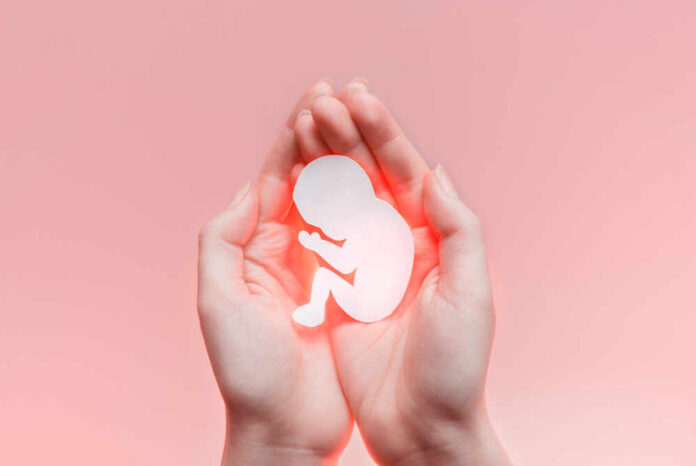
For decades, Washington’s “protect them by excluding them” mindset has left pregnant and breastfeeding mothers taking medications with shockingly little trial data to guide doctors or protect babies.
Story Snapshot
- U.S. research rules and risk-averse culture after thalidomide helped push pregnant and lactating women out of clinical trials, creating major safety and dosing knowledge gaps.
- Historical policies—including a 1977 FDA guideline and “vulnerable population” protections—reinforced exclusion even as medicine advanced.
- Experts and regulators increasingly argue women should be “protected through research,” using informed consent and modern trial designs to generate real evidence.
- Pharma sponsors remain cautious due to liability fears, recruitment difficulty, long follow-up requirements, and limited financial incentives.
How a “Protective” System Produced a Dangerous Data Vacuum
U.S. drug development largely treats pregnancy as a reason to avoid research instead of a medical condition that changes how drugs work. After the thalidomide disaster, regulators and ethics frameworks tightened protections for pregnant women and fetuses. Those protections had a clear moral purpose, but the long-term outcome has been a void of evidence, forcing doctors to make high-stakes decisions without strong trial-backed dosing and safety data.
Researchers have quantified the problem: only a small fraction of clinical trials historically included pregnant participants, even though pregnancy can change drug absorption and blood concentrations. That means data collected in non-pregnant adults can fail to translate when a mother’s physiology shifts rapidly across trimesters. In practice, families face a grim tradeoff—undertreat serious conditions or use medications with limited pregnancy- and lactation-specific guidance on labels.
Key Policies That Locked In Exclusion—Even After Women’s Inclusion Rules Expanded
Federal policy choices pushed the system toward caution-first, evidence-later. The National Research Act classified pregnant women as a “vulnerable” population, shaping institutional review board behavior for decades. FDA guidance in 1977 also discouraged participation by women of childbearing potential in early-stage trials, even with contraception. These guardrails reduced certain risks, but they also normalized the idea that pregnancy automatically disqualifies a patient from research.
By 1993, the federal posture began shifting in other areas: NIH policy and related guidance pressed for women’s inclusion in research unless exclusion was justified. Pediatrics eventually benefited from more direct incentives and regulatory pressure that increased child-focused data generation. Pregnancy, however, remained the “third rail” of research—ethically sensitive, legally complex, and operationally hard to execute—so the practical result was continued off-label use without robust, pregnancy-specific evidence.
The New Consensus: “Protected Through Research,” Not Bureaucratic Avoidance
Across academic ethics reviews and public health discussions, a central argument has gained traction: excluding pregnant and lactating women does not eliminate risk—it transfers risk into clinics and homes. When evidence is missing, real-world exposure still happens, just without structured monitoring and informed trial protocols. Experts emphasize informed consent, careful risk-benefit selection of study drugs, and trial designs that reduce uncertainty while respecting the mother-fetus relationship.
Modern tools also make responsible inclusion more feasible than it was decades ago. Pharmacometric modeling and smarter pharmacokinetic sampling can help estimate dosing changes during pregnancy, while registries and networks can support follow-up. Regulators have signaled interest in earlier engagement with sponsors and in aligning global strategies that support pregnancy and breastfeeding research. The practical goal is straightforward: generate reliable data before millions of families become the unplanned “study population.”
Why Progress Is Slow: Liability, Logistics, and Incentives
Drug sponsors face real barriers that policy makers can’t wish away. Trials involving pregnant participants can require longer timelines, specialized sites, and long-term monitoring that extends beyond birth. Companies also worry about liability exposure and reputational harm if outcomes are poor, even when risks are disclosed and unavoidable in medicine. Economic incentives matter, and pregnancy-focused studies may not promise the same return as larger, general-market indications.
Pregnant women and breastfeeding mums should be included in clinical trials, experts say | The Independent https://t.co/n8klbDTvTv
— The big cheese (@ben2nill) March 18, 2026
For conservative voters who value limited government and competence, the lesson here is less about ideology and more about accountability: a system can’t call itself “science-based” while tolerating decades-long blind spots that hit families at their most vulnerable moments. The available research does not show a single “silver bullet” reform in 2026, but it does show an emerging expert consensus—fixing the gap requires clearer rules, workable liability frameworks, and a commitment to evidence over institutional risk-aversion.
Sources:
Clinical research involving pregnant women: ethical and scientific considerations
From no to yes: the history and ethics of including pregnant women in clinical trials
National Academies project: Pregnant and Lactating Women in Clinical Trials
Medidata: Women in clinical trials—history
NIH ORWH: History of women in clinical research