

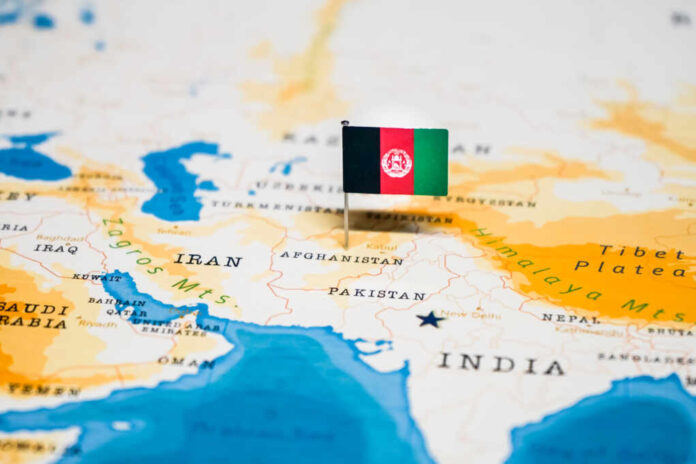
Afghanistan is experiencing a significant shift in its illicit drug economy following the Taliban’s 2022 ban on opium cultivation. While the ban has led to a major 20% decline in poppy farming and a severe economic crisis for Afghan farmers, it has also coincided with an alarming 50% surge in the production and seizure of synthetic drugs, particularly methamphetamines.
Story Highlights
- Opium cultivation in Afghanistan fell by 20% in 2025.
- Production dropped by 32%, impacting farmer incomes significantly.
- Synthetic drug production is rising, posing new challenges.
- 40% of farmland is barren due to drought and lack of alternatives.
Taliban’s Ban and Its Immediate Impact
The Taliban’s 2022 ban on opium cultivation has led to a significant 20% reduction in opium farming by 2025, as reported by the UNODC. This initiative aimed to curb illicit activities but has drastically reduced the incomes of Afghan farmers who heavily depended on opium for their livelihood. The total area under cultivation has dropped to 10,200 hectares, with a corresponding 32% fall in opium production.
While the ban achieved its primary objective, it has left over 40% of the farmland barren, primarily due to drought and the absence of alternative income-generating crops. The barren land exacerbates the economic challenges faced by farmers, who are struggling to find viable substitutes for opium poppy cultivation.
Afghanistan’s opium cultivation fell by 20% in 2025, but @UNODC warns synthetic drugs and shifting trafficking routes pose new challenges. https://t.co/vRhZ4aEIfg
— UN News (@UN_News_Centre) November 6, 2025
Synthetic Drugs: A New Challenge
With the decrease in opium production, there has been a noticeable rise in synthetic drug production, particularly methamphetamines. According to recent reports, seizures of these synthetic drugs have surged by 50% since late 2024. This shift in drug production not only poses a new threat to regional stability but also challenges international drug control efforts. The adaptability of traffickers to these changes highlights the need for robust and integrated counternarcotics strategies.
The pivot from opium to synthetic drugs reflects broader regional drug trafficking patterns, underscoring the urgency for coordinated international responses. The UNODC has called for long-term investments in alternative livelihoods to prevent a potential resurgence in opium cultivation.
The Economic and Social Fallout
The economic implications of this shift are severe. Afghan farmers have seen their incomes halve since 2024, falling to $134 million in 2025. This sharp decline in income has led to increased economic hardship and food insecurity, with many communities facing unemployment and resource competition. The current situation has prompted humanitarian organizations to advocate for sustainable agricultural alternatives to support these vulnerable rural communities.
Experts like Oliver Stolpe from UNODC emphasize the need for coordinated efforts to provide Afghan farmers with sustainable alternatives to opium cultivation. Without such measures, there is a risk of social unrest and a potential return to illicit cultivation as farmers seek to secure their livelihoods.
Watch the report: 🇦🇫 Opium production in Afghanistan reaches record high | Al Jazeera English
Sources:
UN: Opium cultivation in Afghanistan drops 20%, but synthetic drug trade rises | OCCRP
Afghanistan’s opium crop falls 20 percent as synthetic drugs surge | Drugs News | Al Jazeera
Afghanistan opium crop falls sharply after Taliban ban – UN report
Afghanistan: Opium cultivation drops sharply, but regional trafficking rises | United Nations
Afghanistan: Opium cultivation drops sharply, but regional trafficking rises | UN News