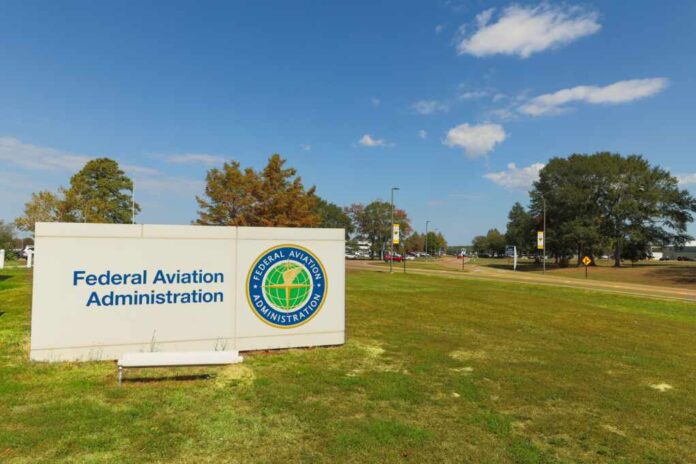
Mass flight cancellations and delays across the nation have revealed a critical failure point where government action meets essential infrastructure. Driven not by weather or technical failure, but by an unprecedented emergency order from the Federal Aviation Administration (FAA)—a direct consequence of a government shutdown—airlines have been forced to slash up to 10% of scheduled operations.
Story Highlights
- FAA-mandated airline cutbacks have canceled over 1,500 flights and delayed more than 6,500, stranding travelers nationwide.
- Emergency federal orders forced airlines to slash up to 10% of scheduled flights at major airports, citing staffing shortages caused by a government shutdown.
- Disruptions stem entirely from regulatory action, not weather or technical failures, spotlighting the consequences of bureaucratic power.
- Ripple effects threaten consumer confidence, airline stability, and the travel industry’s economic backbone.
FAA Orders Trigger Unprecedented Flight Disruptions
On November 7, 2025, the Federal Aviation Administration ordered airlines to begin phased reductions in operations at high-impact airports, starting with a 4% cut. By November 14, this escalated to a full 10% reduction in effect nationwide, affecting both domestic and international flights. The emergency directive was a direct response to a government shutdown, which drastically reduced air traffic control and FAA safety oversight staffing, leaving airlines with no choice but to cancel and delay thousands of flights. This regulatory mandate, not weather or mechanical failures, is solely responsible for the current travel crisis impacting families, businesses, and local economies.
Travelers and airlines alike have been left scrambling as over 1,500 flights were canceled and more than 6,500 were delayed between November 10 and 11, with disruptions expected to persist as the shutdown continues. Airlines are required to submit daily lists of reduced operations, and the FAA is closely monitoring compliance. The ripple effect has been immediate: missed connections, lost business opportunities, and personal disruptions have become the norm for travelers, while airlines face mounting financial losses and operational headaches. Meanwhile, airport communities are suffering reduced economic activity, further straining local businesses already coping with inflation and supply chain issues.
NEW: As bad as air travel was yesterday, Monday isn't much better.
2,100 flights canceled, 6,600 delays & counting.
May only get worse as more FAA-mandated cancellations (up to 6%) kick in tomorrow, exacerbating airlines' ongoing struggles to get their schedules back on track. pic.twitter.com/jYcXTpjlDn
— Kyle Potter (@kpottermn) November 10, 2025
Government Shutdown Exposes Systemic Fragility
The root cause of the flight turmoil is clear: federal bureaucracy and political gridlock have left the nation’s air infrastructure vulnerable. The FAA holds regulatory authority and forced these drastic cutbacks to maintain safety, yet it is the government shutdown that precipitated the staffing crisis in the first place. Airlines, required to comply under threat of penalty, can do little but lobby for relief or adjustments. Travelers, meanwhile, have limited recourse beyond seeking refunds or rebooking, exposing how little power ordinary Americans have when government agencies wield unchecked authority over essential services. The disruption highlights just how fragile our travel system becomes when politics override practical governance.
Historically, the FAA has only issued slot waivers or temporary reductions during crises such as the COVID-19 pandemic, but never on this scale or with such regulatory force. Past shutdowns may have triggered delays, but the current mandate of up to 10% operational reduction is unprecedented—demonstrating the dangers of allowing bureaucratic overreach to dictate key aspects of daily life. The decision-makers—FAA officials, airline executives, Congressional leaders, and the President—hold all the cards, leaving travelers and local communities caught in the crossfire of policy battles.
Economic and Political Fallout: Pressure Mounts for Resolution
The economic impact of the FAA’s emergency order is severe and multi-layered. Airlines are suffering significant revenue losses and face uncertain slot allocations for future schedules, while the broader travel industry—including hotels and tourism—feels the pinch. Airport communities, reliant on steady passenger flow, are grappling with reduced activity and logistical strain. Socially, public frustration is reaching a peak as travel plans are upended, especially during a period of heightened demand. Politically, lawmakers are under increasing pressure to resolve the government shutdown and restore normal operations, as the public demands accountability for the disruption.
Industry experts note that while the FAA’s actions may be necessary to maintain safety with reduced staffing, the long-term consequences could be damaging. Consumer confidence in the reliability of air travel may erode, prompting changes in airline scheduling practices and increased scrutiny of FAA crisis management. Some analysts advocate for greater automation and contingency planning to reduce reliance on government staffing, while others emphasize the need for political solutions to prevent future shutdown-induced crises. The event serves as a stark reminder that when government oversteps its bounds, the ripple effects touch every corner of American life—from the economy to family values to the constitutional right to freedom of movement.
Watch the report: Over 1,500 flights canceled, delays mount nationwide on Saturday
Sources:
Flight cancellations mount amid mandated FAA slowdown | LinkedIn
Over 1,500 flights canceled and 6,500 delayed as FAA forced cuts continue to cause havoc for travelers | The Independent
More than 1,000 flights cancelled as FAA’s traffic cuts due to shutdown go into effect | PBS News
FAA flight cancellations hits over 1,500 flights on day two, how to adjust your travel plans – The Economic Times