
A historic Arctic blast is poised to sweep the Northeast, threatening to bring the most extreme cold on Earth before Christmas. This severe weather event is driven by persistent La Niña conditions and a negative phase of the Arctic Oscillation, which is expected to plunge polar air deep into mid-latitude regions. With significant implications for energy demands, transportation, and public health, the region is bracing for a challenging winter season that NOAA characterizes as having high uncertainty.
Story Highlights
- La Niña conditions drive the extreme cold forecast for the Northeast.
- The Arctic Oscillation’s negative phase increases the chance of frigid temperatures.
- NOAA issues high uncertainty for winter 2025-26 seasonal forecasts.
- Potential impacts include heightened heating demands and transportation disruptions.
La Niña and Extreme Cold Forecast
The Northeast is bracing for a severe winter as La Niña conditions continue to influence the weather patterns for the 2025-26 season. NOAA’s Climate Prediction Center has highlighted that La Niña, characterized by cooler-than-average sea surface temperatures in the equatorial Pacific, will persist, increasing the likelihood of colder-than-normal temperatures across the region. The forecast period, spanning December 2025 through February 2026, suggests a significant chance of extreme cold events, particularly before Christmas.
While La Niña sets the stage, the Arctic Oscillation (AO) plays a crucial role in determining the severity of the cold. In its negative phase, the AO shifts the jet stream southward, allowing polar air to plunge into mid-latitude regions like the Northeast. This atmospheric pattern is expected to bring unprecedented cold temperatures, creating conditions for what some meteorologists are calling the “most extreme cold on Earth.”
Northeast set to be blasted by ‘most extreme cold on Earth’ before Christmas https://t.co/dKbIlBlQVy pic.twitter.com/pgcF9WA73E
— New York Post (@nypost) December 1, 2025
Implications for the Northeast
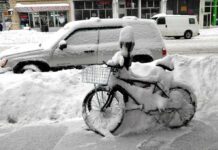
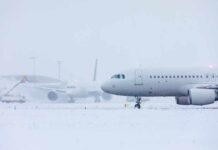
The potential for extreme cold has significant implications for the Northeast. Residential populations may face increased heating demands, leading to higher energy costs and potential energy shortages. The agricultural sector could experience disruptions in winter crop management and livestock operations. Transportation infrastructure is also at risk, with icing conditions and reduced visibility posing challenges for road and air travel.
As the forecast unfolds, emergency services are preparing for heightened demand in cold-weather response. Public health officials warn of increased risks associated with cold exposure, particularly for vulnerable populations. The economic impact could be substantial, with elevated heating costs and potential supply chain disruptions adding to the financial burden on businesses and individuals.
Forecast Uncertainty and Expert Insights
NOAA has characterized the forecast for the December-January-February season as having “high uncertainty.” While La Niña’s influence is pronounced, the close probabilities between La Niña (51%) and a transition to ENSO-neutral conditions (48%) highlight the inherent variability in seasonal forecasting. Experts acknowledge that small changes in oceanic or atmospheric patterns could significantly alter the forecast outcome.
Experts emphasize the importance of preparedness in the face of such uncertainty. The forecast’s reliance on the Arctic Oscillation and other climate indices underscores the complexity of predicting extreme weather events. As the Northeast braces for the coming winter, stakeholders are urged to remain vigilant and adaptable to evolving conditions.
Watch the report: Arctic blast to hit Northeast, potential for Christmas Eve snow
Sources:
Dangerous travel conditions across Northeast, Ohio Valley, as first nor’easter of La Niña winter clips region
Rising Polar Vortex Threat for US, Asia and Europe Signals Higher Winter Energy Bills