Iran just hanged a 19-year-old national-team wrestler after a protest-era case that critics say reeked of coerced confession and closed-court justice.
Story Snapshot
- Iran executed teenage wrestler Saleh Mohammadi on March 19, 2026, alongside two other men, for alleged killings of two police officers tied to January protests.
- Mohammadi denied the charges, and reports say he claimed his confession was extracted under torture while key defense evidence and witnesses were blocked.
- The case is fueling fears for other detained athletes as Iran intensifies a crackdown that targets sports figures who become symbols of dissent.
- International pressure is building, with activists and athletes urging outside bodies to respond, while Iran’s system offers little transparency.
An Execution That Turned an Athlete Into a Warning
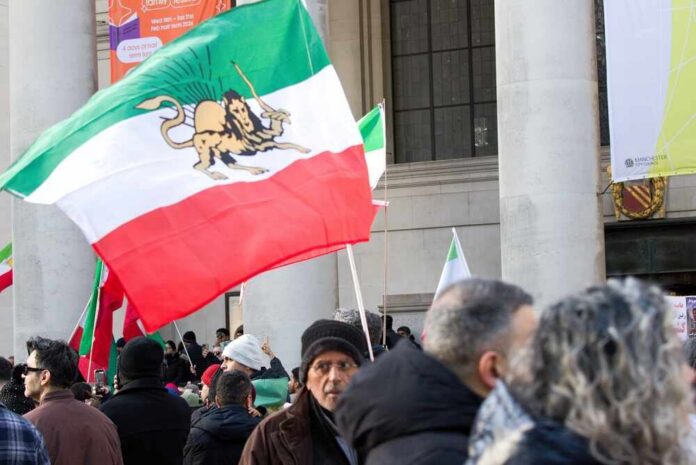
Iran’s judiciary carried out the hanging of Saleh Mohammadi, a 19-year-old member of Iran’s national wrestling team, on Thursday, March 19, 2026. Two other men—Mehdi Ghasemi and Saeed Davoudi—were executed in the same action, with state-linked outlets confirming the deaths and tying the case to unrest that rocked the country in early January. Iranian authorities say the three were responsible for killing two police officers during the anti-government protests.
Mohammadi’s profile makes this more than a routine court notice. Reports describe him as an international competitor and a medal-winning wrestler, with his sports career elevating the political and cultural shock of the execution inside and outside Iran. For families watching loved ones cycle through Iran’s detention system, the message is unmistakable: even prominent, disciplined young athletes can be swept into protest prosecutions—and the state is willing to impose the ultimate penalty.
Claims of Coercion, Blocked Evidence, and a System Built for Speed
Multiple reports describe Mohammadi as denying the accusations and saying his confession was obtained under torture. Accounts also state that CCTV evidence reportedly did not identify him and that alibi witnesses were barred from testifying, raising questions about whether the process met basic due-process expectations. Those are serious allegations, and the public record cited in coverage does not include independently verified access to the evidence, making outside review difficult and leaving the state’s narrative largely unchecked.
Iran’s government has long framed protest-related violence as a foreign-backed plot, and the January unrest is again described in that familiar script, with authorities pointing toward outside enemies to justify sweeping punishment. That posture matters because it can harden prosecutions into political theater rather than fact-finding. When a state treats dissent as “enemy action,” the incentive becomes speed and intimidation—not careful adjudication. That approach collides with the Western expectation that courts exist to restrain government power, not amplify it.
Why Wrestling Cases Hit Hard in Iran—and Beyond
Wrestling is culturally significant in Iran, which is one reason cases involving wrestlers tend to resonate. Coverage explicitly compares the public outrage and fear surrounding Mohammadi’s execution to the 2020 execution of wrestler Navid Afkari, a case that also carried claims of torture and fabricated evidence. Whether every allegation can be proven from available reporting, the recurring pattern is what alarms observers: high-profile athletes accused during unrest, disputed confessions, and trials viewed by critics as stacked against defendants.
Iran International and other outlets describe a broader climate in which athletes have been killed, detained, or pressured in connection with protest activity. Reports also cite campaigns urging international sports bodies to address regime-linked officials, reflecting the belief among many athletes that sports institutions can’t pretend politics ends at the arena door. At minimum, the pattern suggests Iran’s leadership views the sports community not as neutral entertainers, but as influencers who can legitimize—or undermine—the regime.
Other Detainees, Rising Fear, and the Limits of Outside Leverage
As of March 21, 2026, reporting indicated no additional protest-linked executions had been publicly confirmed beyond March 19, but concerns were mounting about other detained athletes and the possibility of rushed trials. Named examples in coverage include footballer Mohammad Hossein Hosseini and boxer Mohammad Mahshari, among others said to be at risk. Campaigners also warned about younger detainees facing fast-moving legal processes, a common feature of crackdowns designed to break momentum and morale.
The Martyrdom of a Teenage Iranian Wrestler and the Hero of the Coming Rebellionhttps://t.co/uy93utmBtq
— PJ Media Updates (@PJMediaUpdates) March 20, 2026
For American readers, this story lands as a reminder of what government looks like when it is unbound by transparent courts, accountable policing, and basic liberties—speech, conscience, and fair trial protections. Whatever one thinks about foreign policy debates, a regime that can hang a teenage athlete after a contested confession is a regime that relies on fear as governance. The hardest truth is that external pressure—media coverage, sports petitions, and statements—often moves slower than the machinery of state punishment.
Sources:
Teenage member of Iran’s national wrestling team executed
Iran International — Report on execution of Saleh Mohammadi and athlete crackdown context
Fox News video — Activist Lily Moo condemns execution
Iran hangs three men in first executions over January anti-government protests
Iran Human Rights — Article on protest-related executions and sentencing