

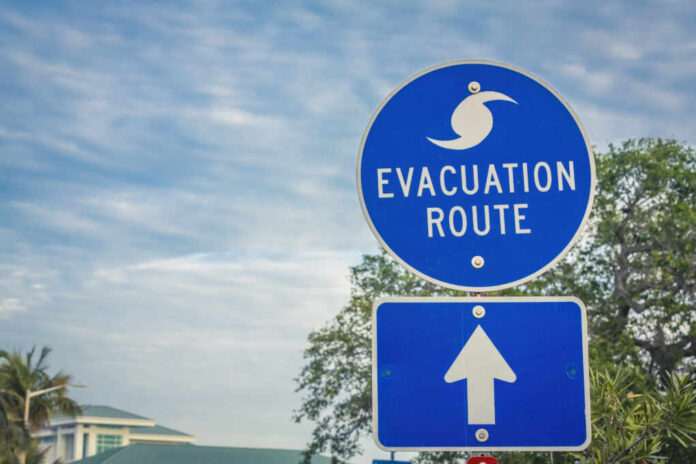
Amidst heavy rainfall and two successive atmospheric rivers, Washington State is grappling with an unprecedented flood event that has led Governor Bob Ferguson to declare a statewide emergency. With catastrophic river levels and urgent evacuation orders for up to 100,000 residents in Skagit County, the crisis is not only testing the resilience of emergency services and local infrastructure but is also igniting a critical, statewide debate on climate policy and flood defense preparedness.
Story Highlights
- Washington Governor declares a statewide emergency due to severe flooding.
Up to 100,000 residents in Skagit County ordered to evacuate immediately. - Two successive atmospheric rivers cause catastrophic river levels.
- Emergency services and rescue teams deployed statewide.
- Flooding ignites discussions on climate change and infrastructure resilience.
Unprecedented Flooding Threatens Washington State
Amidst heavy rainfall, Washington State faces a dire situation as an unprecedented flood event unfolds. Two successive atmospheric rivers have deluged the region, causing river levels to swell alarmingly. Skagit County has been hit hardest, with officials issuing urgent evacuation orders for up to 100,000 residents. Governor Bob Ferguson declared a statewide emergency as the risk of catastrophic flooding became increasingly apparent.
Emergency services are on high alert, with swift-water rescue teams from Spokane among those dispatched to assist local efforts. The severe weather has not only threatened the safety of residents but has also raised critical questions about the state’s preparedness and infrastructure resilience in the face of such natural disasters.
Washington state battered by historic floods prompting evacuation orders for about 100,000 people
State of EMERGENCY declared, 'situation is extremely unpredictable' pic.twitter.com/BziWlmwZwy
— RT (@RT_com) December 12, 2025
Impact on Local Communities and Infrastructure
The impact of the flooding extends beyond immediate safety concerns, threatening vital infrastructure in affected areas. Roads, bridges, and power lines have been compromised, with thousands experiencing power outages. The agricultural sectors in the Skagit and Nooksack valleys, known for dairy production and crop farming, face potential devastation, which could significantly affect local economies and food supplies.
As floodwaters rise, local businesses brace for potential damage and disruption. Emergency shelters have been set up for evacuees, but the road to recovery will be long and costly. The economic implications of rebuilding and repairing infrastructure are expected to be significant, with potential costs running into hundreds of millions of dollars.
Climate Policy and Infrastructure Resilience Debates
The current crisis has reignited debates surrounding climate policy and infrastructure resilience. Descriptions of the flood as “almost unthinkable” underscore the urgent need for improved flood defenses and updated land-use policies in floodplain areas. State and local leaders are likely to push for enhanced flood-control projects and reconsideration of levee standards to better protect communities against future events.
As the situation continues to evolve, Washington’s approach to climate resilience and disaster preparedness will be closely scrutinized. This event serves as a critical reminder of the challenges posed by climate change and the necessity for proactive measures to safeguard communities.
Watch the report: Footage shows Washington flooding, rescue efforts amid evacuation orders, state of emergency
Sources:
- Thousands under evacuation orders as flooding hits Pacific Northwest
- ‘Historic’ flooding prompts WA governor to declare emergency • Washington State Standard
- Flooding remains threat in Pacific north-west as Washington declares emergency | US weather | The Guardian