
The first American-born pope in history refuses to set foot on U.S. soil during Trump’s presidency, revealing a diplomatic rift between the Vatican and Washington that exposes deep conflicts over immigration policy, military intervention, and the future of American power on the world stage.
Story Snapshot
- Pope Leo XIV will not visit the United States while Trump remains president, according to Vatican officials
- Pentagon officials held an unprecedented meeting criticizing the Pope’s envoy after papal remarks against Trump’s immigration and Iran policies
- The Pope declined Trump’s invitation to July 4th anniversary celebrations, choosing instead to visit migrants in Lampedusa
- VP J.D. Vance is investigating reports that U.S. officials threatened Vatican representatives
- Trump says he remains open to meeting the Pope despite their policy disagreements
Historic Papal Rejection of American Homecoming
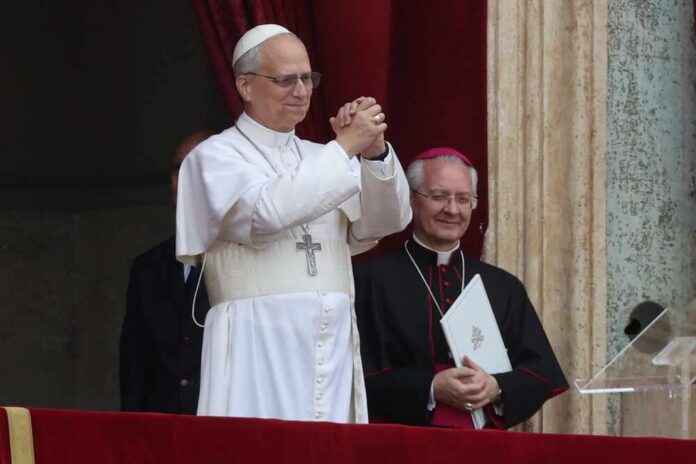
Pope Leo XIV, despite being the first pontiff born in the United States, has no plans to visit his homeland during the Trump administration. A Vatican official confirmed to The Free Press that the Pope “may well never visit the United States under this administration.” This unprecedented situation creates a striking irony: an American pope refusing to return home while his country celebrates its 250th anniversary. The decision follows mounting tensions between the Vatican and the Trump White House over immigration enforcement, military threats against Iran, and what the Pope described as diplomacy based on force rather than dialogue.
Pentagon Takes Unprecedented Action Against Vatican
The diplomatic breakdown escalated when Pentagon officials took the extraordinary step of summoning Cardinal Christophe Pierre, the Pope’s envoy to the United States, for what sources describe as a contentious meeting. Defense Department officials criticized Pope Leo’s January address to the Vatican’s diplomatic corps, interpreting his remarks about conflict-seeking states and force-based diplomacy as attacks on Trump’s policies. The Pentagon specifically objected to perceived criticism of the “Donroe Doctrine,” Trump’s updated version of the Monroe Doctrine asserting renewed American dominance in the Western Hemisphere. Department of Defense spokespeople later characterized the meeting as “respectful,” denying reports were exaggerated, but Vatican sources viewed the encounter as hostile and unprecedented.
Immigration Policies Drive Wedge Between Pope and President
Pope Leo has repeatedly criticized Trump’s immigration enforcement as “extremely disrespectful” and “inhuman,” echoing concerns raised by American bishops about treatment of migrants. The Pope endorsed the U.S. bishops’ recent statement emphasizing that Catholic teaching on immigration must balance nations’ rights to control borders with recognition of human dignity. When Trump extended an invitation through Vice President J.D. Vance for the Pope to attend July 4th anniversary celebrations at the White House, Leo declined. Instead, the pontiff chose to visit Lampedusa, an Italian island that has become symbolic of the global migration crisis, reinforcing his commitment to advocating for those the administration seeks to remove through expanded ICE operations.
Iran Threats and Investigation into Official Misconduct
The Pope publicly condemned Trump’s threats against Iran as “truly unacceptable” before welcoming the subsequent ceasefire announcement. This moral rebuke added another layer to the diplomatic tensions. Vice President Vance has launched an investigation into allegations that U.S. officials threatened Vatican representatives, with reports suggesting the Pope canceled a planned meeting with Trump over the incident. The investigation reflects growing concerns among some administration officials that hardline elements within the government may have overstepped diplomatic boundaries. Trump, in a Politico interview, said he remained open to meeting Pope Leo and defended his border wall as “great,” though he claimed to be unaware of the Pope’s recent criticisms.
Broader Implications for Church-State Relations
This standoff between the Vatican and Washington carries significant implications for American Catholics and religious diplomacy. The rift highlights fundamental disagreements between traditional Catholic social teaching on migration and the Trump administration’s America First policies prioritizing border security and national sovereignty. For conservative Catholics who support stricter immigration enforcement, the Pope’s stance creates tension between religious leadership and political convictions. Meanwhile, the situation underscores a broader pattern troubling to many Americans across the political spectrum: government officials seemingly more focused on defending their positions and punishing critics than on addressing the legitimate concerns that drive both humanitarian advocacy and border security demands. The Pope’s refusal to visit represents a rare diplomatic rebuke that may influence Catholic voter dynamics and sets a precedent for papal relations with ideologically opposed leaders worldwide.
Sources:
Why Pope Leo has no plans to visit US while Trump is in office – The Independent
In new interview, Trump says he is open to meet Pope Leo – OSV News
JD Vance Investigating Vatican Rep Threat From U.S. Official – TMZ
Pope Leo has no plans to visit US while Trump is in office – The Independent