

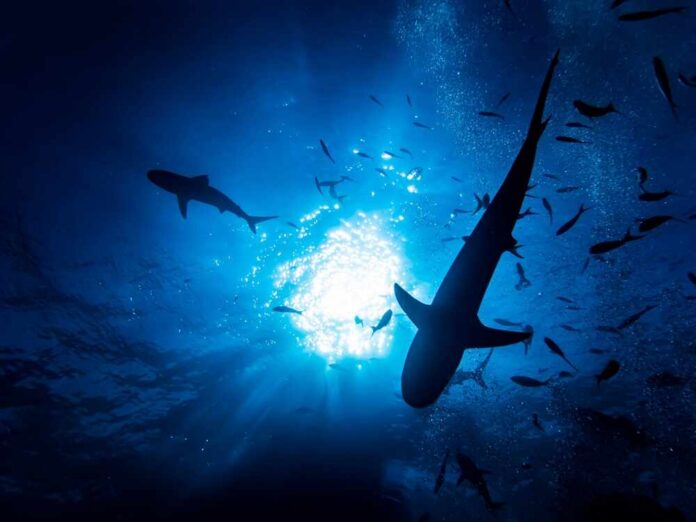
America’s pristine Caribbean waters, vital for family vacations and economic stability, now harbor sharks tainted with cocaine, caffeine, and painkillers from unchecked human pollution—threatening conservative values of stewardship and self-reliance.
Story Highlights
- Study finds 28 of 85 Bahamian sharks positive for contaminants like cocaine, caffeine, acetaminophen, and diclofenac, linked to altered metabolism.
- Human wastewater and tourism runoff pollute top predators near Eleuthera Island, echoing Brazil’s 2024 findings.
- Lead researcher Natascha Wosnick warns legal pollutants like caffeine demand habit reassessment to protect marine ecosystems.
- Potential tourism fallout endangers coastal communities reliant on ecotourism, urging limited government intervention over overreach.
Study Reveals Drug Traces in Bahamian Sharks
Researchers analyzed blood from 85 sharks across five species—Caribbean reef, nurse, lemon, tiger, and blacktip—captured four miles off Eleuthera Island, Bahamas. Twenty-eight sharks tested positive for contaminants of emerging concern. These included caffeine, acetaminophen, diclofenac, and cocaine in one specimen. The peer-reviewed study in Environmental Pollution marks the first such detection in Bahamian sharks. Sampling occurred pre-2026, with publication drawing early 2026 media attention.
Human Pollution Sources Fuel Contamination
Wastewater discharge, urban runoff, and improper disposal introduce pharmaceuticals and drugs into marine environments since the 2010s. Bahamas tourism boom amplifies inputs in areas once deemed pristine. A 2024 Brazilian study previously detected cocaine in shark tissues, while a 2023 Discovery Channel program simulated exposure showing behavioral changes. Global incidents, like 850kg cocaine washing ashore in France, illustrate pathways. Lead author Natascha Wosnick stresses legal pollutants like caffeine rival cocaine in prevalence.
Physiological Changes Raise Ecosystem Concerns
Affected sharks exhibit elevated triglycerides, urea, and lactate levels, signaling metabolic stress. Short-term implications include potential behavior shifts, as seen in simulations by marine biologist Tracy Fanara. Long-term risks threaten population stability and food webs. Researchers note causality remains unclear, calling for more data. Wosnick emphasizes ecosystem health over human safety fears, urging reassessment of everyday habits contributing to pollution.
Economic and Community Impacts Emerge
Bahamas coastal communities depend on tourism and ecotourism, now at risk from sensational “cocaine shark” headlines. Media coverage by CBS and others could deter visitors, hitting local economies. Political pressures mount for wastewater regulations in tourism zones without expanding government overreach. Broader effects highlight pharmaceutical and tourism pollution, paralleling Caribbean-wide issues. Conservative principles favor personal responsibility in pollution mitigation over regulatory excess.
Sharks in the Caribbean Show Traces of Cocaine, Study Shows | The Gateway Pundit | by Paul Serran https://t.co/lkGXOLArcx
— Traderjay (@Traderjay13) March 28, 2026
Researcher Calls for Precautionary Action
The international team tested for 24 drugs, confirming CECs’ reach via human activity. Wosnick states widespread caffeine and pharmaceuticals alarmingly match cocaine’s footprint. Experts consensus urges marine monitoring standards. No contradictions appear across sources; uncertainties persist on exact health impacts. Findings align with global precedents, stressing limited, targeted responses preserve natural resources for future generations.
Sources:
CBS News: Cocaine, caffeine, painkillers found in sharks’ blood in the Bahamas, study finds
CBS6 Albany: Traces of drugs, including cocaine, found in some shark species: study
Audacy: ‘Cocaine-fueled’ sharks are cruising the Caribbean
The Independent: Sharks test positive for cocaine and caffeine in the Bahamas