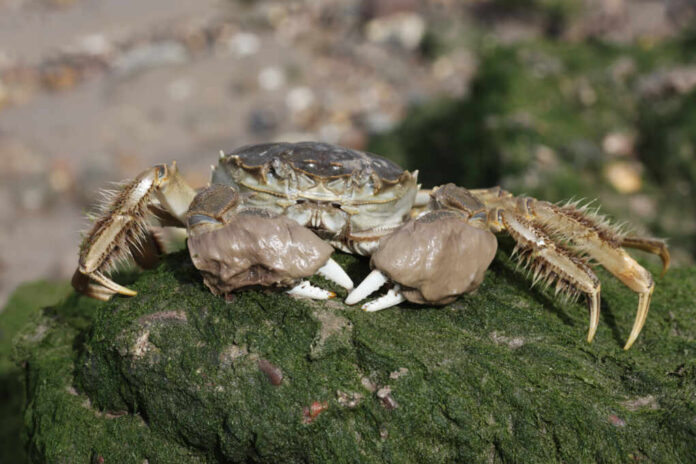
An invasive species, the Chinese mitten crab, has been confirmed in Oregon’s key river systems for the first time, posing a serious threat to critical flood-control infrastructure and native fisheries. Experts warn the powerful, burrowing crabs can tunnel into levees and dikes, undermining their structural integrity, while also preying on vital native species like salmon and steelhead eggs. With two separate detections in 2025—one in the Lower Columbia River and one in the Willamette River near Portland—officials are scrambling to assess whether this signals a hidden population and are calling on the public for urgent help to prevent a costly, long-term invasion.
Story Highlights
- Chinese mitten crabs, a banned invasive species, have been confirmed twice in Oregon rivers in 2025.
- Scientists warn these crabs can burrow into levees, dikes, and riverbanks, undermining flood-control and water infrastructure.
- Past infestations in California and Europe caused erosion, clogged water intakes, and harmed native fisheries.
- Oregon officials are asking citizens to help report and stop any spread before it becomes an expensive, long-term problem.
Invasive crab shows up twice in one year in key Oregon rivers
In 2025, Oregon officials confirmed two separate detections of the Chinese mitten crab, a non-native species already banned in the state because of its destructive track record. One crab was caught by a commercial fisher in April in the Lower Columbia River near Astoria, while another was captured alive in shallow water near Portland’s Sellwood Bridge on the Willamette River in mid-November. These are Oregon’s first confirmed Chinese mitten crab records and have alarmed scientists and managers.
These two finds are especially troubling because they occurred in different but connected river systems that together anchor much of Oregon’s population, commerce, and critical infrastructure. The Columbia and Willamette corridors host major shipping lanes, ports, levees, drinking-water intakes, and fish habitat. Having an invasive burrowing crab show up in both rivers within months raises the possibility of repeated introductions or the early stages of a hidden population, even though no infestation has yet been documented.
Invasive Chinese mitten crab that can damage flood controls spotted in Oregon — sparking fear from scientists https://t.co/mHuIIbAIrc pic.twitter.com/qZbtmEvRhP
— New York Post (@nypost) December 7, 2025
Why this burrowing crab is a serious threat to infrastructure and fisheries
Chinese mitten crabs are not just another odd species drifting through local waters; they are powerful diggers that tunnel into levees, dikes, and stream banks, weakening the very structures communities rely on for flood protection. In Europe and California, large mitten crab populations caused serious erosion, damaged embankments, and clogged fish screens and water intakes. If they gain a foothold in Oregon, those same behaviors could threaten flood-control projects and water-supply systems that taxpayers have funded for decades.
Beyond infrastructure, mitten crabs pose a direct challenge to the health of native ecosystems and fisheries. Adults migrate between freshwater and brackish water, giving them access to a wide range of habitats. They prey on fish eggs and native invertebrates, including salmon, steelhead, and crayfish, and can compete with local species for food and shelter. For fishing families and coastal communities already squeezed by regulations and volatile markets, another invasive competitor is the last thing they need added to the mix.
How global trade, illegal releases, and weak enforcement open the door
Scientists point to two main pathways that likely brought mitten crabs to the Pacific Northwest: ballast water from international cargo ships and the live seafood trade. Larvae can survive inside ballast tanks and be dumped into local waters when ships discharge, while live crabs imported for food can be released illegally into rivers. Oregon has long prohibited possession, transport, or sale of mitten crabs, but these cases show that rules on paper are not enough when enforcement and monitoring lag behind global commerce.
The Columbia–Willamette system is particularly vulnerable because it combines heavy ocean-going traffic with ideal crab habitat: long freshwater stretches linked to brackish estuaries. That mix mirrors the conditions where mitten crabs exploded in California during the 1990s, causing headaches for water managers, farmers, and fishery operators. For conservative readers who have watched federal and state bureaucracies ignore border security and enable other forms of illegal entry, the pattern is familiar: once again, outside pressures and lax controls are shifting costs and risks onto local communities.
Officials turn to citizen vigilance while costs and questions grow
Oregon’s wildlife agencies, invasive species council, and university partners are now scrambling to determine whether these crabs represent isolated introductions or the start of a permanent invasion. Crews are deploying artificial habitats to attract crabs, walking shorelines to look for live animals and molted shells, and using environmental DNA sampling to detect mitten crab genetic material in the water. These efforts require significant staff time and funding, even before any large-scale control campaign is considered.
Officials are also urging ordinary Oregonians to become the front line of defense by learning how to recognize mitten crabs and reporting any suspected sightings or illegal sales. That call underscores a reality many conservatives know well: when government fails to anticipate obvious risks from globalism and lax enforcement, it falls to citizens to clean up the mess. If leaders move quickly, this may remain a cautionary close call. If they drag their feet, taxpayers and local communities could be paying for damaged levees and disrupted fisheries for years.
Watch the report: Invasive Chinese mitten crabs found in Oregon
Sources:
Invasive crab that can climb over 13-foot-high walls spotted in Oregon again
Oregonians beware the non-native invasive Chinese mitten crab
ODFW confirms first Chinese mitten crab detection in Oregon’s Columbia River
Oregon officials confirm second sighting of invasive Chinese mitten crabs
Invasive Chinese mitten crab found in Willamette River