
America’s free-press debate just collided with a hard reality: the federal government controls who gets to keep a broadcast TV license.
Story Snapshot
- FCC Chairman Brendan Carr said broadcast licenses are not a “property right” and warned stations could lose them for “news distortions” or “hoaxes” during renewal reviews.
- Carr drew a bright line between over-the-air broadcasters—regulated under “public interest” standards—and cable, streaming, and online outlets the FCC does not police the same way.
- Press-freedom advocates argue Carr’s rhetoric risks chilling journalism and pushing the FCC toward content-based pressure that collides with First Amendment limits.
- The FCC is simultaneously pursuing a major deregulation agenda to cut or streamline broadcast rules, complicating claims that Washington is simply tightening the screws.
Carr’s Warning: Licenses Are “Privileges,” Not Permanent Rights
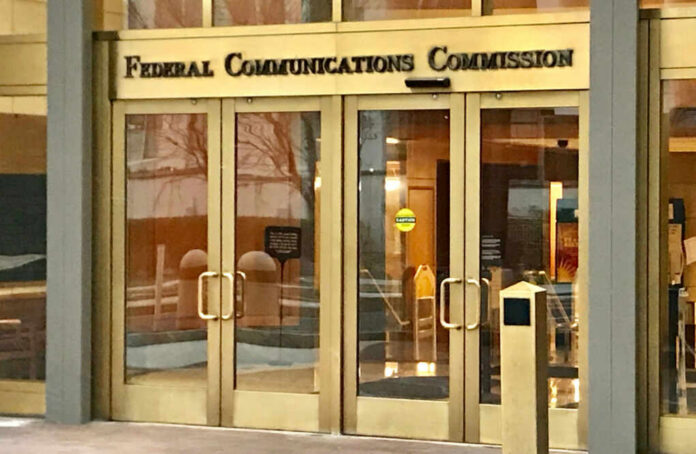
FCC Chairman Brendan Carr told CBS News that broadcast licenses are not a “property right,” describing them instead as a government-issued privilege conditioned on serving the public interest. Carr said stations that run “hoaxes and news distortions” could face consequences when their licenses come up for renewal, while also insisting there were no imminent revocations underway. The message, however, landed as a clear reminder that over-the-air broadcasters operate at the government’s permission.
Carr’s remarks matter because the FCC’s leverage is real in the broadcast world, even if it is narrower than many voters assume. The chairman emphasized that cable channels, streaming platforms, and online outlets are not regulated in the same way, meaning the threat—whether intended as deterrence or accountability—falls most directly on local broadcast stations. That divide fuels a predictable political fight: who decides what counts as a “distortion,” and under what standard?
What the Law Actually Regulates—and Why Broadcast Is Different
Federal broadcast licensing traces back to the Communications Act framework requiring use of scarce spectrum to serve “the public interest, convenience, and necessity.” That historical scarcity rationale is why over-the-air stations face obligations that don’t apply to a podcaster or a streaming service. The FCC has long maintained policies aimed at extreme misconduct, including a “broadcast hoax” rule and a “news distortion” policy—both historically used rarely because of high proof requirements.
Those high proof requirements are not a technicality; they are the constitutional guardrail. Press advocates point out that the Supreme Court has repeatedly limited government intrusion into editorial judgment, which is the heart of journalism. In practice, enforcing “distortion” is difficult without sliding into viewpoint policing, and that’s why regulators traditionally tread carefully. Carr’s public posture, critics argue, risks blurring the line between punishing deliberate fraud and pressuring coverage decisions.
The Political Context: Probes, Complaints, and a Trust Crisis
Carr’s comments come amid ongoing scrutiny of major broadcasters and renewed public anger about elite media narratives. The research notes a reopened probe into CBS News over the editing of a Kamala Harris interview, plus other issues circling the broadcast landscape, including questions related to ABC’s “The View” and NBCUniversal’s internal DEI policies. None of that amounts to license revocations today, but it shows how quickly content disputes can become regulatory disputes.
Democratic FCC Commissioner Anna Gomez has publicly pushed back, arguing the FCC is not supposed to act as a national speech referee. The Reporters Committee for Freedom of the Press has also pressed Congress to clarify limits, warning that aggressive interpretations raise “serious constitutional concerns.” For conservatives who watched federal power balloon under the banner of “misinformation” in the previous era, the underlying principle is familiar: a tool created for narrow cases can become a political weapon if standards are vague.
Deregulation at the FCC: Cutting Rules While Talking Tough on Content
At the same time Carr has talked tough about “hoaxes” and “distortions,” the FCC has pursued a broad “Delete, Delete, Delete” deregulation program. The agency scheduled a March 26, 2026 vote aimed at streamlining broadcast processes and removing or updating rules, including items affecting AM station modifications, LPFM spacing and separations, and procedural aspects of petitions to deny. That split screen—deregulation on operations, sharper rhetoric on content—has left observers debating the FCC’s real direction.
FCC Chairman Brendan Carr says he can police TV journalism because broadcast licenses are "free." He is wrong about that. https://t.co/GYqYiiPLaa
— Jacob Sullum (@jacobsullum) March 16, 2026
For viewers, the practical takeaway is less about partisan score-settling and more about structure: broadcast TV is still a regulated gatekept system, while digital media is not. That reality can frustrate conservatives who feel legacy networks have acted as political actors, but it also should sober anyone who values constitutional limits. If the remedy for biased coverage becomes government pressure on licenses, the precedent won’t stay “conservative” forever—and future administrations could use the same leverage against pro-Second Amendment, pro-family, or pro-border voices.
Sources:
FCC oversight hearing public comments
FCC’s Carr Eyes Removing More Unnecessary Broadcast Rules
FCC chair Brendan Carr says broadcast licenses not a property right