
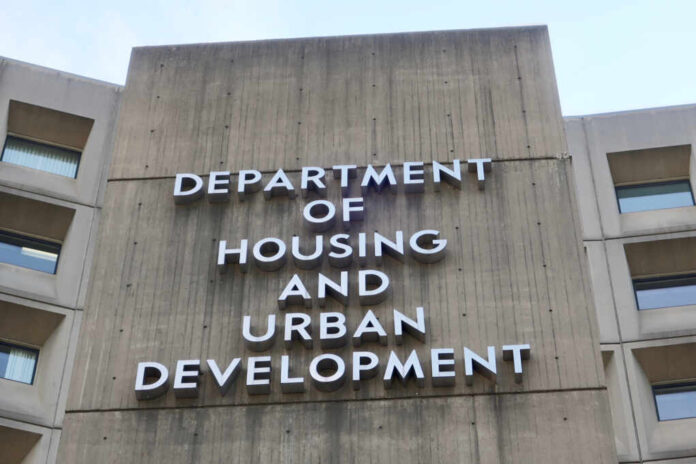
A legal challenge has temporarily derailed the Trump administration’s sweeping overhaul of the $4 billion Continuum of Care homelessness grant program. The Department of Housing and Urban Development (HUD) withdrew its new guidance—which caps permanent housing funds and prioritizes transitional programs with treatment and work requirements—just hours before a federal court hearing. This unexpected pause leaves local service providers in limbo and highlights the intense ideological battle between the long-standing “Housing First” model and the administration’s new focus on accountability, responsibility, and addressing cultural issues like gender ideology in federal funding.
Story Highlights
- HUD temporarily withdrew guidance to overhaul the $3–4 billion Continuum of Care homelessness grant program after multiple lawsuits.
- The plan caps permanent housing at about 30% of funds and pushes transitional housing, treatment, and work requirements.
- Blue-state attorneys general and national advocacy groups claim the shift is unlawful and could destabilize existing housing projects.
- HUD insists reforms are still coming, leaving local providers in limbo while courts and bureaucrats battle over the details.
Trump’s Homelessness Shake-Up Runs Into the Lawsuit Machine
The Department of Housing and Urban Development, now led by Secretary Scott Turner, moved in November to rewrite the rules for the long-running Continuum of Care homelessness grant program, which distributes roughly $3–4 billion each year to local agencies, nonprofits, and cities. The overhaul would sharply limit how much money can be used for permanent long-term housing and push more dollars toward structured transitional programs that include treatment, accountability, and work expectations instead of permanent subsidies with few conditions.
The Left’s legal network swung into action almost immediately. A coalition of more than a dozen predominantly Democratic-led states, along with several cities and counties, filed suit claiming HUD’s new rules would illegally upend thousands of existing housing projects. National advocacy organizations like the National Alliance to End Homelessness and the National Low Income Housing Coalition piled on, warning that as many as 170,000 people currently in permanent supportive housing could be pushed back toward homelessness if longstanding “Housing First” funding priorities were rolled back.
It’s official: HUD is withdrawing its notice of changes to Continuum of Care funding that could have left hundreds in NH homeless next year. Statement from Gov. @KellyAyotte #NHPolitics #WMUR pic.twitter.com/nlylsMOTE6
— Adam Sexton (@AdamSextonWMUR) December 9, 2025
From Housing First to Treatment and Responsibility
For nearly two decades, Washington’s homelessness policy has been dominated by the Housing First model, which steers money into permanent housing subsidies with minimal preconditions such as treatment, sobriety, or work. Under prior administrations, Continuum of Care competitions routinely allowed up to 90 percent of grant funds to support permanent supportive housing and similar long-term arrangements. The Trump team argues this approach has failed to reduce street encampments, drug use, and disorder, despite massive federal spending that taxpayers and working families have been forced to shoulder.
The proposed Trump-era rules would cap permanent and long-term housing at roughly 30 percent of CoC funds and instead prioritize transitional programs that require participation in treatment, job training, or work. The administration’s view is that federal aid should not indefinitely subsidize addiction or chronic vagrancy but should help people get clean, learn skills, and reenter the workforce. For many conservatives, that shift aligns with basic common sense: federal dollars should promote responsibility, not permanent dependency, while still offering serious help to those who are willing to engage.
Courtroom Whiplash and Accusations of “Crisis”
The legal battle reached a dramatic moment in early December, when a federal court hearing in Rhode Island was set to consider emergency requests to halt the new policy before it took effect. Just hours before that hearing, HUD abruptly withdrew the guidance documents, telling the court it would reassess the issues raised in the lawsuits and draft a revised plan before the fiscal year 2025 funding deadlines. That move effectively paused the overhaul but did not restore the old Housing First status quo on a permanent basis.
The presiding judge, Mary McElroy, sharply criticized the administration’s last-minute reversal, describing the sequence as “intentional crisis” that wasted judicial resources and left local homeless systems in limbo. For providers on the ground who depend on predictable federal grants to keep doors open, the temporary freeze means uncertainty in planning budgets, renewing contracts, and assuring tenants that their housing will be funded. For taxpayers, it highlights how deeply federal homelessness policy has been entangled in litigation and bureaucracy instead of clear, stable standards that reward results.
Cultural Flashpoints: Gender Ideology, DEI, and Immigration
Beyond the shift from Housing First, the proposed rules struck a nerve by tying federal homelessness funds to broader cultural and constitutional fights that matter deeply to conservative voters. The guidance would bar grants to organizations that center their work around “gender ideology,” abortion-related activities, or expansive diversity and equity programming, and would scrutinize groups that undermine federal immigration enforcement. That approach fits with President Trump’s broader second-term agenda of dismantling radical DEI structures and curbing taxpayer support for left-wing social engineering in schools, health care, and now housing.
Advocacy groups and blue-state officials describe these provisions as discriminatory, particularly where they affect organizations serving transgender populations or LGBTQ+ clients. They argue that cutting off funds to such providers violates civil-rights protections and wrongly injects ideology into what they see as neutral social services. Conservatives counter that it is the prior system that was ideological—using federal dollars to advance activist agendas on gender, abortion, and immigration while crime rose, homelessness spread, and families watched once-safe downtowns turn into encampment zones.
What Comes Next for Taxpayers, Cities, and the Rule of Law
For now, there is no final policy resolution. HUD has told the court and the public that it remains committed to “long overdue reforms” and will issue a revised version of the Continuum of Care overhaul in time for this year’s funding cycle. The lawsuits remain active, with plaintiffs preparing to challenge any new guidance that meaningfully moves away from Housing First or embeds value-based restrictions they dislike. Another federal court hearing later in December is expected to dig deeper into how far HUD can go.
Meanwhile, nearly $4 billion in annual grants sits in a kind of holding pattern. Local agencies must decide whether to plan around the traditional permanent supportive housing model or begin shifting toward transitional programs with treatment and work expectations that may soon be favored—or even required—by HUD. For conservative readers, the stakes are clear: either Washington continues to pour billions into an approach that has normalized tents, drugs, and danger on city streets, or it tests whether accountability, treatment, and real pathways to independence can restore order while still helping those in genuine need.
Watch the report: A look at the Trump administration’s overhaul of national plan to end homelessness
Sources:
Trump administration to rethink changes to homelessness grant program
Trump officials temporarily withdraw policy cutting long-term housing support
HUD Pauses ‘Life-or-Death’ Funding Overhaul for Homeless Services