

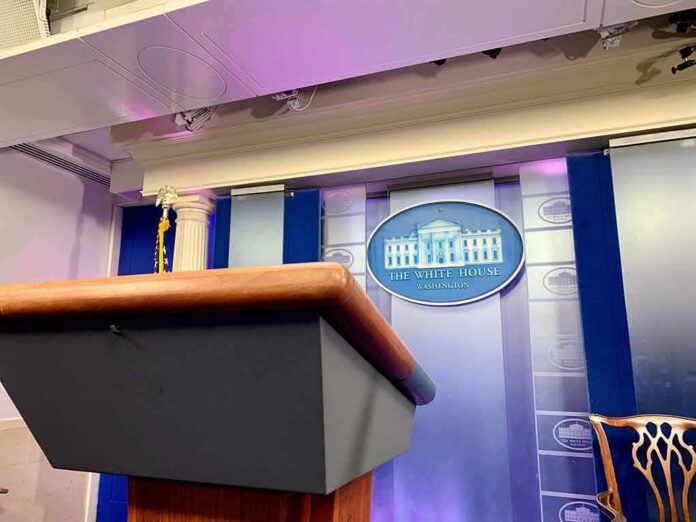
Hours after promising staff shake-ups, President Trump named Stephen Miller chief of staff and moved Susie Wiles to his political operation.
Story Highlights
- Trump announced Stephen Miller will become chief of staff effective November 9, 2026.
- Susie Wiles will leave the role and shift to the Trump political operation.
- Major outlets confirmed the change and timing on the same day.
- The move follows midterm losses that reshaped power in Washington.
What The President Announced
President Trump said Stephen Miller, then deputy chief of staff and a trusted adviser, will serve as White House chief of staff starting Monday, November 9, 2026. The same message said Susie Wiles would leave the role and move to the Trump political operation. Multiple outlets published matching details the same day, confirming the change and the start date. The announcement provided praise for both aides but did not detail the decision’s internal process.
Newsrooms across the country reported the same core facts within hours. The Wall Street Journal, The Washington Post, CBS News, and The Hill each said Miller would replace Wiles and take over on November 9. That rapid, independent reporting supports the timeline the White House set out. Coverage also identified each figure’s current role, which helps fix the change in the broader leadership chart for the Executive Office of the President.
Why This Role Matters Day To Day
The chief of staff guards the president’s time, manages information flow, and coordinates policy meetings. That person helps set what gets to the Resolute Desk and when it gets there. A change in that seat often shifts how the White House works, even if policies do not change overnight. Researchers and historians describe the role as a force multiplier for a president’s goals because it aligns staff, process, and priorities across a crowded West Wing.
Stephen Miller brings deep experience shaping Trump-era domestic policy, especially on immigration, which media coverage has linked to his profile. Supporters see him as disciplined and loyal. Critics see him as hardline. Those views explain why the pick drew quick reactions. But the firm, reported facts are simple: Trump chose Miller to run the staff, and Wiles will continue in his political sphere. The White House did not post added detail about reporting lines or retained duties.
How This Fits The Post-Election Landscape
The timing followed midterm losses that shifted control of Congress, a moment when presidents often reset teams. CBS News called it the most significant shake-up since the defeats, underscoring the stakes for the next legislative fights. A chief of staff can change how talks with Congress run, how agencies receive orders, and how fast rules move. That is why both supporters and opponents are watching the first weeks after Miller takes the chair.
In Elevating Stephen Miller, Trump Doubles Down on Hard-Line Agenda
The new White House chief of staff is responsible for some of the most provocative policies of President Trump’s second term, as well as an aggressive approach to executive power https://t.co/LzisBHi9bC
— Victor Asal (@Victor_Asal) November 7, 2026
Turnover at the top of a White House is not rare. Senior roles burn hot and demand long hours. Research on presidential staff shows frequent changes over time, even outside political shocks. That pattern warns against reading every exit as crisis while still taking the impact seriously. The practical test will be whether the new setup clears decisions faster, improves execution, and addresses the issues many Americans say Washington has fumbled for years.
What To Watch Next
Watch for updated staff directories, formal memos on responsibilities, and meeting schedules that reveal how Miller structures the day. Look for signs of tighter message control, faster policy rollouts, or more direct engagement with agency heads. Also track Wiles’s role within the political operation, where fundraising, outreach, and candidate support can shape the next cycle. These practical signals will matter more than hot takes, because they show how the government will actually run.
Sources:
pjmedia.com, nbcnews.com, wsj.com, cleveland.com, people.com, thehill.com, brookings.edu