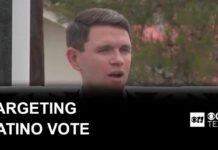


A sitting congressman running for governor is now fighting to survive politically after a report says a former staffer accused him of sexual assault—and his video denial only intensified the fallout.
Quick Take
- Rep. Eric Swalwell, a 2026 California governor candidate, publicly denied sexual assault and misconduct allegations and said he will not exit the race.
- A former staffer alleged two assaults—one in 2019 when she said she was too intoxicated to consent and another in 2024 after a charity event when she said “no.”
- Unions including SEIU suspended support, and rival Democrats demanded Swalwell drop out as party leaders called for a serious, transparent investigation.
- No criminal charges have been filed, and key details remain untested in court, leaving voters weighing credibility, timing, and accountability.
Allegations collide with a high-stakes governor’s race
California Rep. Eric Swalwell’s campaign for governor hit a wall after reporting described multiple allegations from women, including a former staffer who said Swalwell assaulted her twice. The most serious claims involve a boss-subordinate relationship during her reported employment period and allegations of non-consent tied to intoxication and an explicit refusal. Swalwell has denied wrongdoing and characterized the accusations as false, as the race’s political stakes rise sharply.
The timing is now part of the story. Reporting framed the allegations as landing “on the eve” of a pivotal stretch in the election, and Swalwell’s team emphasized that point in their response. At the same time, the accusations described conduct that, if substantiated, would raise serious questions about workplace power dynamics and personal accountability. The fact that the accuser remained anonymous publicly also reflects a familiar fear: not being believed when the accused is powerful.
Swalwell’s denial video, and what it does—and doesn’t—address
Swalwell responded with a video on X and public statements calling the allegations “flat false” and promising to fight them with “facts” and legal action. He also leaned on his professional identity as a former prosecutor who worked sexual assault cases, arguing that his record aligns with protecting victims rather than harming them. He apologized to his wife for past “mistakes in judgment,” a line that drew attention because it leaves unclear what conduct he acknowledges versus what he rejects.
The current public record has major limits. Multiple reports noted no criminal charges have been filed. The accuser reportedly did not make a police report, saying she feared she would not be believed given Swalwell’s position. Those constraints mean the public is mostly seeing a political crisis and media-driven scrutiny, not an adjudicated legal case. For voters tired of elites escaping consequences, that gap between allegation and accountability is exactly where distrust grows.
Democratic allies pull back as pressure builds for an outside probe
Institutional support began shifting quickly after the reporting. SEIU suspended its backing and halted spending tied to Swalwell, while rival Democrats held events urging him to step aside. Gov. Gavin Newsom called the allegations “deeply troubling” and said they must be taken seriously. Sen. Alex Padilla described the claims as “beyond troubling” and pushed for an investigation outside the campaign environment—signaling a desire for a process that doesn’t look like political damage control.
For Californians watching from the outside, the political mechanics are easy to recognize. Endorsements and union resources can decide primaries, and few groups want to be tied to a candidate under this kind of cloud. At the same time, Democrats face a credibility test after years of demanding strict accountability standards for public figures. Republicans will likely argue the standard is being applied selectively, but the available reporting mainly shows internal Democratic fracture rather than a settled determination of facts.
What this episode signals about power, accountability, and public trust
The allegations land in a broader era of national frustration: many Americans on both right and left believe the governing class protects its own, while ordinary people pay the price. Conservatives who resent moral double standards will see a familiar pattern—politicians insisting on “believe survivors” rhetoric until it threatens their own careers. Liberals wary of workplace abuse will focus on the staffer-boss dynamic and the consent issues described. The shared demand is simple: a credible process and transparent outcomes.
Eric Swalwell Responds to Sexual Assault Allegations in a New Video. It's Not Good. https://t.co/jxTwUNPjo4
— Norman Firebaugh (@FirebaughNorman) April 11, 2026
For now, the key facts remain narrow: serious allegations, a categorical denial, swift political fallout, and no filed charges. That reality leaves California voters with an uncomfortable choice—wait for clearer evidence while campaigns and interest groups shape perceptions in real time. A limited-government mindset doesn’t mean ignoring misconduct claims; it means insisting that institutions follow fair procedures, protect due process, and avoid letting political convenience replace truth-seeking. That standard applies to everyone, not just opponents.
Sources:
Bay Area political analyst reacts to sexual assault allegations against Eric Swalwell.