New York City’s new mayor is testing big, costly ideas without clear funding or timelines, and the fight over those plans is spilling into a national culture war.
Story Highlights
- Zohran Mamdani took office in 2026 after a record-turnout win centered on affordability.
- His agenda includes universal childcare, a rent freeze, and 200,000 affordable homes, funded by higher taxes on the wealthy.
- Key programs lack confirmed funding, timelines, or verified results, leaving gaps critics exploit.
- Conservative media voices paint his plans as anti-American and fiscally reckless, escalating polarization.
A Mandate Built on Affordability Meets Governance Reality
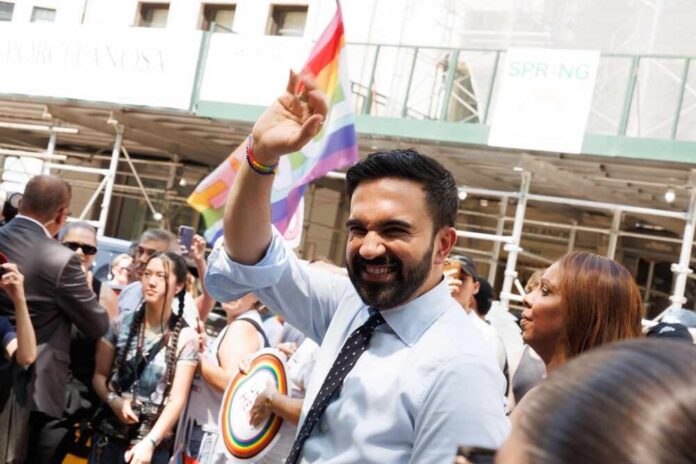
Zohran Mamdani won the 2025 New York City mayoral race with turnout not seen since 1969. He ran on a blunt message: life in the city costs too much. He took office on January 1, 2026, after serving in the New York State Assembly. His transition from campaign promises to city governance now defines the debate. Voters expect lower costs. Agencies expect plans they can execute. Both pressures are real and pulling in different directions.
Mamdani’s marquee pledge is universal childcare for children six weeks to five years old. Estimates peg the cost at about six billion dollars each year. His plan relies on higher taxes on the wealthy. State leaders have praised the idea but have not committed to that funding path. That gap leaves a large program without a secured budget source. It also makes the plan a target for critics who warn of tax flight and slower job growth.
Housing, Rent, and a Push Against Market Pressures
The mayor also backs a rent freeze for one million regulated apartments. He wants two hundred thousand new affordable units. These goals are clear and easy to grasp. The path to reach them is not. Public documents and coverage list targets but not a timeline, financing mix, or specific zoning changes. Without those, builders and tenants cannot plan. The risk is simple: a promise that stalls while costs and rents keep climbing.
To tackle food prices, Mamdani floated city-owned grocery pilots. The idea aims to cut out profit and keep staples cheap. Critics call the model unworkable at scale. The record so far shows no published pilot outcomes or cost data. That missing scorecard matters. Voters can accept experiments, but they want receipts. If the city cannot show savings, the program will look like ideology, not help at the checkout lane.
Budget Claims, Policing Disputes, and the Credibility Test
Mamdani says his budget approach “finds efficiencies, cuts waste, and taxes the rich.” Conservative commentators reject that frame. They argue New York has a spending problem, not a revenue problem, and say the numbers do not balance. They also attack his stance on police hiring, calling it a “disaster” tied to safety fears. Neither side has released independent audits or vacancy-and-crime data to close the argument for the public.
The mayor’s outreach on daily life has brought its own heat. During a heat wave, he urged residents to set air conditioners to seventy-eight degrees to ease grid strain. Supporters saw it as civic duty and worker safety. Detractors blasted the message as intrusive and ideological. The back-and-forth shows how even basic conservation advice now feeds the wider identity fight over control, comfort, and who bears rising costs in a fragile system.
Culture War Labels Versus Measurable Results
Prominent media voices have framed Mamdani and allied progressives as anti-American or close to communists. They cite endorsements, statements, and a broader push to raise taxes and expand public services. The mayor’s camp calls the attacks a smokescreen to protect elites. What cuts through slogans are facts the public can verify: enrollment in childcare seats, units permitted and built, rent burdens reduced, grocery prices lowered, and audited savings actually found.
Dave Portnoy keeps door open to NYC mayoral bid, unloads on Mamdani's fiscal claims https://t.co/ayFWKHgBhA
— FOX Business (@FoxBusiness) July 1, 2026
The throughline is bigger than one city. Across the country, people on the right and left think government serves insiders first. New York’s new mayor promised to flip that script with bold programs. The next phase is proof. Independent audits, clear timelines, and monthly dashboards would test each promise. If results land, the model spreads. If they do not, anger at unaffordable living hardens, and trust in leaders falls further across the political spectrum.
Sources:
redstate.com, britannica.com, nycbar.org, foxbusiness.com