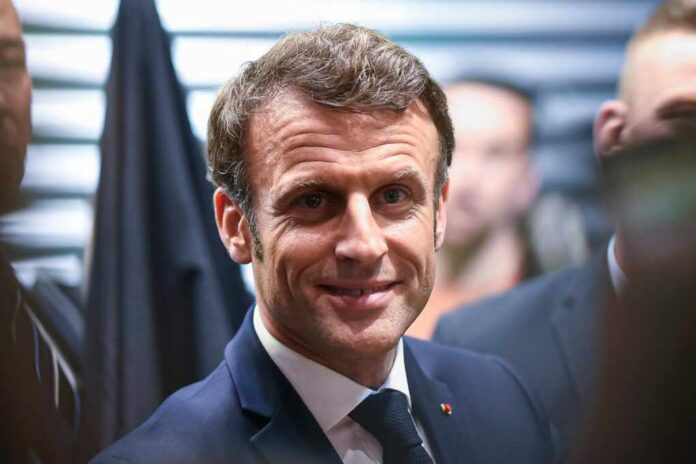
The French government has taken a dramatic step by fast-tracking a total ban on social media for children under the age of 15. While officials cite alarming health data, this sweeping legislation immediately raises urgent questions about the line between government protection and unacceptable overreach into parental rights and family decision-making.
Story Highlights
- French lawmakers approved legislation banning social media access for all children under 15, set to take effect September 2026.
- President Macron expedited the bill through accelerated parliamentary procedures, bypassing normal legislative timelines.
- The ban targets platforms like TikTok, Instagram, and Snapchat with enforcement through mandatory parental controls.
- French health data links teen smartphone use to self-esteem issues, self-harm, drug use, and suicide risks.
- The legislation also prohibits mobile phones in high schools as part of broader digital restrictions on youth.
Government Mandates Replace Parental Authority
French President Emmanuel Macron called for accelerated legislative procedures in early January 2026 to implement a nationwide ban on social media access for children under 15. The Assemblée Nationale approved the measure on January 26, 2026, targeting platforms including TikTok, Instagram, and Snapchat. The legislation mandates enforcement through parental controls, effectively removing individual family choice from the equation. While protecting children deserves attention, this represents government intrusion into decisions traditionally reserved for parents who understand their own children’s maturity and needs better than distant bureaucrats.
France moves to BAN social media for kids under 15 and smartphones in high schools starting September 2026 pic.twitter.com/u4TDV8D58M
— RT (@RT_com) January 27, 2026
Alarming Health Data Drives Rapid Action
A December 2025 French health watchdog report revealed 90 percent of teens aged 12-17 use smartphones daily, with 58 percent accessing social networks. Nearly half spend two to five hours daily on devices, with usage linked to lower self-esteem, self-harm, drug experimentation, and suicide. A parliamentary committee report on TikTok’s psychological effects detailed how algorithms manipulate young minds through engagement tactics, creating fragmentation and psychological entrapment. MP Laure Miller, the bill’s author, stated social media “promised to connect but fragmented” users. These findings justify parental concern but raise questions whether blanket government bans serve families better than empowering parents with information and tools.
Fast-Track Timeline Bypasses Deliberation
Macron’s push bypassed normal legislative review, accelerating from announcement to approval within weeks. The government initially announced a similar bill in late December 2025, causing confusion with dual proposals. Macron then issued a televised address in early January demanding the bill reach implementation by September 2026 when the school year begins. This rushed timeline limits public input and debate over such sweeping restrictions on family autonomy. The legislation also bans mobile phones in high schools, imposing what officials call “clear rules” for students, families, and teachers—rules determined by government rather than local communities or individual households.
International Precedent for Expanding Control
France joins Australia in enacting youth social media bans, with the United Kingdom considering similar measures. Minister Delegate for Digital Affairs Anne Le Hénanff declared children’s brains before age 15 belong to a time of “innocence” and are “not for sale” to platforms. While her sentiment resonates with parents frustrated by manipulative corporate algorithms, the solution centralizes power in government hands rather than strengthening parental authority. The ban pressures global tech firms toward age verification systems that could extend surveillance and control beyond children to all users. This sets a concerning precedent where governments, not families, dictate digital access—a model that could expand to other areas of life under the guise of protection.
The legislation faces enforcement challenges as it moves through the full parliamentary process. Platforms will experience revenue losses from excluding the youth demographic, potentially prompting legal challenges over feasibility. Families bear the burden of implementing mandated parental controls, transforming parents into enforcement agents for government policy rather than independent decision-makers. The measure may reduce exposure to cyberbullying and harmful content, but it achieves this by stripping parents of their constitutional role as primary guardians of their children’s wellbeing. American conservatives watching this development should recognize the threat it represents: when governments claim authority to override parental judgment for children’s “protection,” they establish precedent for expanding control into homeschooling, religious education, medical decisions, and other domains where family sovereignty should reign supreme. Limited government and parental rights remain inseparable principles worth defending against creeping authoritarianism disguised as child safety.
Watch the report: EXPLAINED: France Moves to Ban Social Media for Under-15s in Landmark Child Protection Push
Sources:
- France to ban social media for children under 15 by September 2026
- French lawmakers approve social media ban for under-15s