

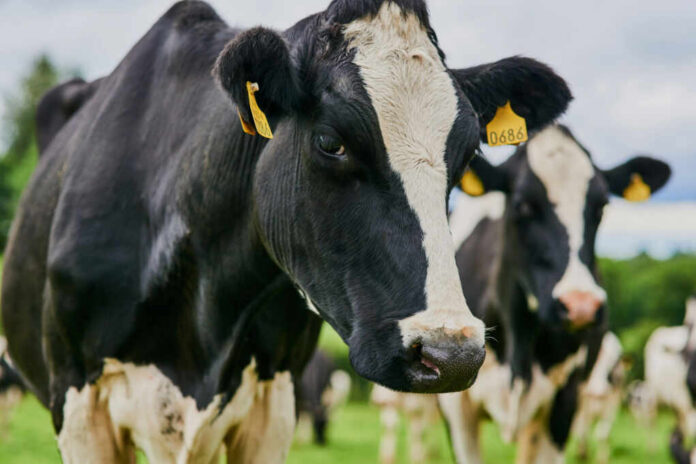
America’s rush to subsidize dairy “climate solutions” is running into an uncomfortable reality: manure digesters can cut methane, but a single leak can wipe out the gains.
Quick Take
- U.S. manure digester deployment has grown to about 394 operating systems by 2026, backed by state and federal incentives and carbon-credit markets.
- Digesters can reduce methane from manure storage, but leading analyses describe direct reductions as modest (often tied to specific manure systems) and vulnerable to leaks.
- High costs and system complexity tend to favor large dairies, raising concerns that policy incentives could entrench or expand large-scale operations.
- Cheaper manure-management options—such as acidification or solid-liquid separation—may deliver comparable or larger methane cuts in some cases.
Why methane from manure is now a political and economic flashpoint
Dairy manure is a major livestock methane source, and methane has become a prime target for regulators because it is potent in the near term. Anaerobic digesters address one specific slice of the problem: methane created when liquid manure sits in oxygen-free storage, such as lagoons common in “wet” manure systems. Supporters frame digesters as a pragmatic, jobs-friendly way to produce power or renewable natural gas while reducing odors and flies.
Policy, however, is driving much of the momentum. Programs such as EPA’s AgSTAR promote digester adoption, while state-level credit systems and fuel markets can turn captured biogas into a revenue stream. That mix appeals to lawmakers who want emissions cuts without mandates. It also appeals to businesses that can monetize credits—sometimes more reliably than selling electricity—creating a familiar Washington pattern: a well-intended environmental goal morphs into a complex subsidy-and-compliance marketplace.
What digesters can do well—and what they can’t
Digesters are real technology, not a gimmick. They capture biogas generated from manure in an oxygen-free tank, then route it to electricity generation or upgrade it for pipeline-quality renewable natural gas. EPA materials highlight environmental and economic benefits and note that plug-flow digesters are common for dairy. Farm-level examples, including long-running projects in California, also report reduced odors and an additional climate benefit when biogas displaces fossil energy.
But the climate math matters. Several assessments describe digester impact as limited to emissions from manure storage, not the full footprint of dairy production. Research summaries also indicate that digesters often deliver only partial methane reductions from storage—meaning they are not a “silver bullet” for the sector. In plain terms, a digester can improve a bad manure-storage situation, but it doesn’t automatically transform dairy into a low-emissions industry, especially if other emissions sources remain untouched.
The Achilles’ heel: leaks that erase claimed gains
The strongest technical critique is not that digesters never work—it’s that they require tight operational control. Studies described in recent reporting highlight that methane leaks can be large enough to negate climate benefits, including burst events far above typical emissions rates from lagoons. Analysts also warn that emissions can be underestimated if monitoring is weak. This is a credibility problem for any program that hands out credits based on modeled performance rather than measured, verified outcomes.
That critique lands with voters across the spectrum because it speaks to competence and accountability. Conservatives often recoil at open-ended subsidies that reward paperwork over performance. Many liberals distrust industry-led climate fixes that rely on offsets and credit trading. Both instincts point to the same requirement: if digesters are funded as a public-good emissions strategy, the public should demand enforceable leak detection, transparent reporting, and consequences when projects underperform.
Cost, scale, and the risk of subsidizing consolidation
Economics shapes who can play. Cost ranges cited in policy analysis run high on a per-cow basis, which can put digesters out of reach for smaller farms without generous incentives or specialized partnerships. Meanwhile, markets for low-carbon fuels and credits can reward larger, centralized systems that aggregate manure and justify expensive equipment. Critics argue this can tilt the playing field toward large confined operations, potentially reinforcing the very industrial model that many communities already resent.
Alternatives also complicate the case for digesters as the default answer. Technical comparisons highlight options such as solid-liquid separation, acidification, and aeration—some with lower costs per animal and potentially meaningful methane reductions depending on how manure is handled. The takeaway for policymakers is straightforward: a credible emissions strategy should not pick winners based on lobbying strength or credit-market sophistication; it should compare cost, verified methane cuts, and community impacts across multiple tools.
Sources:
Carbon Neutral Farming: Methane Digester
Anaerobic Digestion at Dairy Farms
Global Change Biology Bioenergy (Wiley) — Article DOI: 10.1111/gcbb.70047
U.S. Manure Methane Mitigation Solutions
Methane digesters work on dairy farms — but leaks can erase their climate gains
Manure digesters on farms carry limited benefits and potential harms