

The Pentagon is rewriting its faith rules in the middle of a war, and the biggest fight may now be over whether “voluntary” religion can quietly become a career requirement.
Quick Take
- Defense Secretary Pete Hegseth cut the military’s faith-code system from 200+ categories down to 31, calling the old system impractical.
- The Pentagon is also changing chaplain uniforms so religious insignia are displayed instead of rank insignia.
- Monthly Christian prayer and worship services have been established at the Pentagon, with invitations extending to defense contractors.
- A watchdog group has filed complaints alleging church-state concerns, while the Pentagon says attendance is voluntary and not tracked.
What Hegseth Changed: Faith Codes and Chaplain Uniform Rules
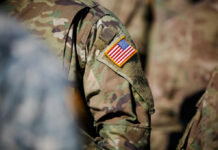
Defense Secretary Pete Hegseth has ordered a major overhaul of how the military tracks faith affiliation and how chaplains present themselves in uniform. The Pentagon has reduced faith codes from more than 200 down to 31, arguing the old list had grown unwieldy and many codes were rarely used. Hegseth also directed chaplains to display religious insignia rather than rank insignia, while still retaining officer status.
Hegseth’s public rationale centers on restoring chaplains as spiritual leaders first, with the administrative changes aimed at making chaplain support easier to deliver in practice. Supporters read this as a pushback against years of bureaucratic creep and politicized “training culture” that many conservatives believe weakened morale. Critics, however, focus on symbolism: making religious identity more visually prominent inside a chain-of-command institution that must serve Christians, minority faiths, and non-religious troops.
Prayer Services at the Pentagon and the Contractor Pressure Question
Beyond paperwork and uniforms, the flashpoint is a new monthly “Christian prayer and worship service” held at the Pentagon. Reports describe the first documented service occurring February 18, 2026 in the Pentagon Auditorium at midday, with invitations that included defense contractors as well as personnel. That detail matters because contractors operate in a relationship where access, networking, and perceived favor can affect business outcomes, even if no one issues an explicit order.
The Military Religious Freedom Foundation has filed formal complaints arguing the services cross constitutional lines, particularly when people who depend on Pentagon decisions feel nudged to attend. The Pentagon’s position is that these gatherings are constitutionally protected, 100% voluntary, and attendance is not tracked, describing them as morale-building and part of “spiritual readiness.” The core factual dispute is not whether the services exist, but whether “voluntary” remains meaningful in a high-stakes workplace.
Why This Is Hitting a Nerve During the Iran War
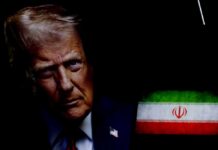
Hegseth’s faith-forward approach is drawing renewed scrutiny in the context of U.S. war with Iran, when every signal from military leadership gets magnified at home and abroad. Coverage of the controversy emphasizes how Christian rhetoric has become more visible in national security leadership messaging since Hegseth took office. With the public already split on America’s role in the conflict—and many MAGA voters tired of open-ended interventions—anything that looks like ideological mission creep triggers a faster backlash.
For conservative audiences, the tension is real: many Americans want the government to stop policing belief and stop treating traditional faith as suspect. At the same time, the Constitution’s guardrails exist for a reason, especially inside the military where career progression can hinge on relationships. The research available does not show a directive compelling attendance, but it does show contractors reporting a perceived business pressure to show up, which is the kind of gray-area coercion that fuels lawsuits.
What We Still Don’t Know, and the Constitutional Stakes
Key details remain missing in the public reporting. The full list of the 31 retained faith codes is not provided in the available material, and it is not clear which specific minority faith categories were removed or merged. That gap makes it hard to judge the real-world effect on religious accommodation across a force that includes Jews, Muslims, Hindus, Buddhists, and service members with no religious affiliation. The “terrifying” reactions referenced in coverage are also not fully detailed.
Pete Hegseth is changing the way the Pentagon handles faith. Some in the military are finding it ‘terrifying,’ report says #ThePentagon #Iran #Religionhttps://t.co/y7VBIXoG8O
— KIDD___WIKKID☮️🤟🌹😁💙🇺🇲💙 (@CYNICAL_SMOOTH) March 30, 2026
Two principles can be true at once: chaplains should not be muzzled, and government institutions must avoid even subtle religious tests for participation, access, or advancement. If the Pentagon can demonstrate genuine neutrality—clear opt-outs, equal access for other faith groups, and firewalls for contractor relationships—the reforms may stand as streamlining plus free exercise. If informal pressure is validated, the controversy becomes a warning sign of government overreach in a different direction.
Sources:
Pete Hegseth slashes military faith codes from over 200 to 31 in Pentagon chaplain corps overhaul
Pete Hegseth’s Christian rhetoric draws renewed scrutiny after US goes to war with Iran
Baptizing the battlefield: Pete Hegseth’s holy war at the Pentagon