
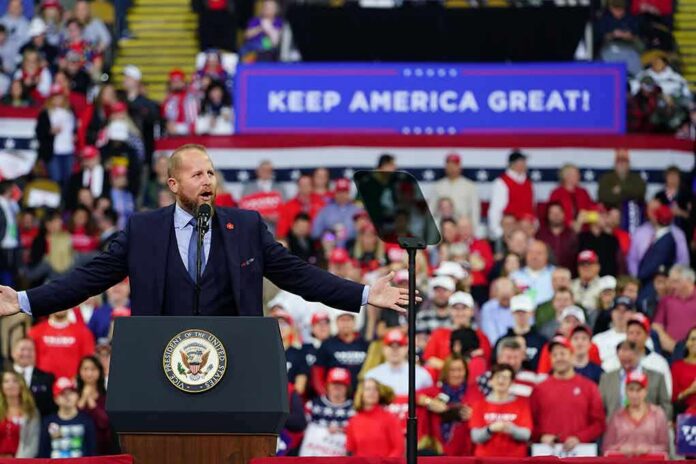
Vice President JD Vance set the stage and President Trump closed Night 2 in Dallas, underscoring Republicans’ first-ever midterm convention as a made-for-television push to energize voters before November.
Story Highlights
- Republicans held a two-day midterm convention in Dallas at American Airlines Center.
- Night 2 featured a keynote by Vice President JD Vance, followed by President Trump’s closing remarks.
- Major outlets carried live coverage and schedules pointing to the same speaker order.
- The party treated the event as a national rally to frame the midterms on its terms.
Who Spoke, Where, and Why It Mattered
Republicans staged their first midterm convention on September 9 and 10 at the American Airlines Center in Dallas. Coverage from major outlets said Night 2 would feature Vice President JD Vance leading into President Trump’s closing speech. Reports placed Trump on both nights, with Vance ahead of him on the second evening. Outlets described the event as designed to focus attention on the party’s midterm message and turnout goals in a high-profile setting.
Local reporting published a schedule for Night 2 that listed a keynote by Vice President Vance from 8 p.m. to 9 p.m. Central. The schedule said President Trump would deliver the convention’s final keynote after Vance. That structure framed Night 2 as a baton pass from the vice president to the president. The timing and order aligned with national previews and liveblogs that tracked the evening’s flow for viewers at home.
How Major Outlets Framed Night 2
Public television, wire services, and national networks treated the night as a marquee event. Reports before and during the program highlighted the same core facts: Dallas as host city, two nights of speeches, and Trump as the closer on Night 2. Live pages and streams guided viewers through the run of show. This broad, simultaneous coverage helped fix the lineup in the public record, even as each outlet emphasized different themes for its audience.
Live coverage also reflected a common pattern in modern political media. Real-time formats reward punchy quotes and shareable clips over deeper policy detail. Parties build events to control that spotlight and set the stakes. The Dallas convention fit that playbook. Republicans used it to rally loyal voters, define contrast with Democrats, and claim momentum heading into the fall races. The volume of live coverage suggests the strategy reached a wide audience.
Why This Format Hits Voter Frustrations
Republican leaders leaned on a direct message style that speaks to broad frustrations. Many voters across the spectrum feel national leaders protect their own jobs while costs rise and trust falls. Night 2’s speaker order aimed to show unity at the top and to project control of the agenda. By placing Vance before Trump, the party spotlighted continuity and a clear chain of command, themes that appeal to voters who want decisive leadership amid ongoing economic and social strain.
TRUMP URGES TURNOUT AS REPUBLICAN CONVENTION ENDS IN DALLAS
It ended with a song…: “We love you all. Go out and vote. Go out and vote. President Trump was preaching to the choir in the final night of the two-day convention, stressing the importance of turnout. I am going to go…
— Worldwide News Network (@WorldwideNNX) September 11, 2026
The Dallas setting also mattered. Texas symbolizes border security debates, energy policy fights, and economic growth claims. Those issues cross party lines but divide on solutions, and they tap shared worry that Washington misses the mark. The midterm convention format let Republicans frame those topics on their terms. While many reports were live or preview pieces rather than final transcripts, the core facts about Night 2’s venue and lineup were consistent across sources.
Sources:
facebook.com, pbs.org, youtube.com, fox4news.com, en.wikipedia.org, ingest.abcnews.com, apnews.com, reuters.com