A privately funded plan to breed and clone gene-edited “super dogs” for war just got $200 million—and a target to deliver pups by 2027.
Story Highlights
- Warhound says it will combine gene editing, cloning, and protective gear to build elite working dogs.
- The startup is a collaboration linking Colossal Biosciences and Anduril’s defense technology.
- Leaders say the dogs will detect bombs, search hazardous sites, and support rescue work.
- The first engineered puppies are projected within about two years, pending development.
What Warhound Announced and Who Is Involved
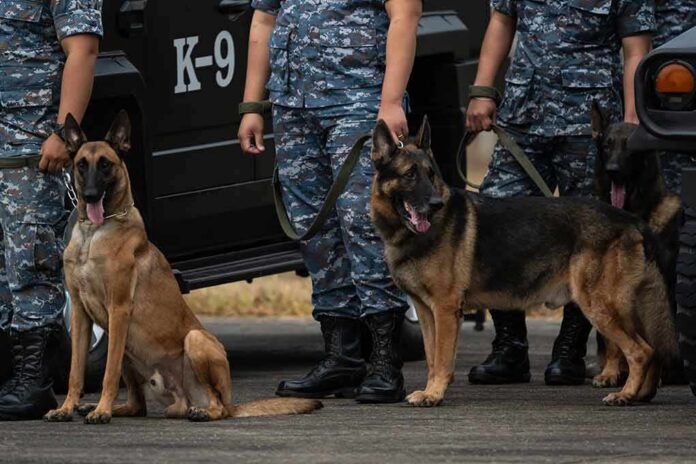
Warhound announced a $200 million seed round to create genetically engineered and cloned working dogs built for dangerous missions. Reporting ties the effort to Colossal Biosciences’ genetics program and Anduril’s defense hardware integration. Leaders describe a pipeline that starts with top-performing dogs, banks their genetic material, and clones them for training and service. The company says it aims to deploy dogs in roles where humans face high risk, like explosive detection and hazardous searches.
Warhound’s plan goes beyond biology. The company says dogs would wear body armor, eye and ear protection, and link to Anduril’s Eagle Eye system to share location and video with handlers and autonomous tools. Leaders frame the concept as a human-canine-machine team that communicates faster and stays safer under stress. This approach mirrors a wider defense trend to fuse sensors, software, and operators into one picture on the battlefield while trying to cut injuries and errors.
How the Dogs Would Be Built and What They Would Do
Executives say the program will source high-performing military, police, and responder dogs, collect blood samples, and biobank their DNA before cloning. Fortune reported a health screen to reduce known genetic risks, like muscle degeneration and inherited diseases that can cut a dog’s career short. The stated use cases include bomb detection, wide-area searches, and emergency-response tasks where a dog’s speed, scent, and agility can outdo machines or keep people out of harm’s way.
Leaders also describe an intent to lower attrition and extend service life by breeding for durability and by preventing common injuries through design and gear. That goal aligns with years of military working-dog research calling for better selection, health screening, and performance tools across the pipeline. Existing programs still lose many dogs to medical or behavioral issues despite tough entry screening, a problem that wastes time and taxpayer money and leaves critical missions short on trained teams.
Why This Push Is Happening Now
Defense and law-enforcement agencies rely on dogs for spotting explosives, tracking threats, and finding victims in rubble. Studies and planning documents show a push to improve breeding, selection, and training using genetics and data, not guesswork. A long-standing shortage of qualified domestic dogs has also nudged leaders to seek new supply paths and performance gains. Advocates say a more reliable pipeline would cut costs, reduce delays, and improve mission outcomes where seconds matter.
Private capital and fast-moving defense firms are stepping into that gap. Anduril has built software and systems meant to speed field decisions, and Colossal Biosciences brings gene-editing know-how from other high-profile projects. Together, they pitch a path to more capable, healthier dogs that can work longer with fewer injuries. The team also claims tighter handler links through cameras and communications that stream real-time data back to command posts and partner systems.
What We Know—and What Comes Next
Reports say the dogs do not exist yet. Leaders project first engineered puppies around early 2027, which means all performance claims remain goals until tests run and agencies evaluate them. Company statements also note that training and environment still shape behavior, so cloning a star dog does not guarantee a second star. Agencies would still need to test, approve, and buy any dogs before deployment under their own rules and animal-welfare reviews.
Genetically engineered war dogs?
Warhound raised $200M to develop enhanced military dogs.
Should we genetically modify animals for warfare—or prioritize robotic alternatives?
I explore the ethical and dual-use risks in my latest NOTE article (Japanese).
— Iwao Nozawa (@rnozaw) October 25, 2026
The stakes are clear. If Warhound proves gains in detection, safety, and service life, it could shift how the United States fields working dogs and reduce dependence on imports. If the gains do not show up in trials, buyers will likely stick with proven breeding and training programs. For citizens watching defense dollars, the key facts are simple: big private money is chasing a bold plan, the timeline is public, and results will need to match the pitch before these dogs ever see the field.
Sources:
wsj.com, dallasnews.com, finance.yahoo.com, scientificamerican.com, theverge.com, fortune.com, motherjones.com, theprint.in, medcoe.army.mil, arl.devcom.army.mil, dair.nps.edu