The U.S. military launched its third lethal strike in 2026 against alleged drug traffickers in the Eastern Pacific, killing two suspected narco-terrorists while the Coast Guard scrambles to locate a lone survivor—evidence of an aggressive new campaign that’s taking the fight directly to criminal networks poisoning American communities.
Story Highlights
- SOUTHCOM executed a kinetic strike on February 9, 2026, against a vessel linked to designated terrorist organizations Tren de Aragua and ELN, resulting in two confirmed deaths
- The operation marks the third U.S. military attack this year under a campaign launched in September 2025 that has conducted dozens of strikes across the Eastern Pacific and Caribbean
- Intelligence confirmed the targeted vessel was transiting known narco-trafficking routes and actively engaged in drug-trafficking operations when struck
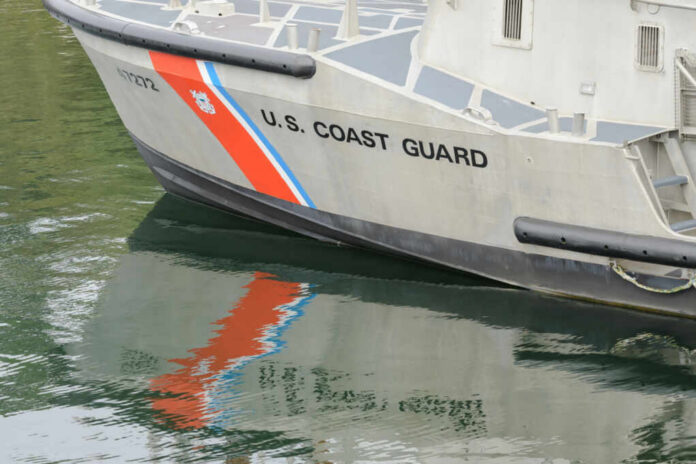
- U.S. Coast Guard activated immediate search-and-rescue operations for the surviving crew member, demonstrating operational discipline even amid lethal counter-terrorism actions
Military Strikes Drug Vessel in Eastern Pacific
U.S. Southern Command executed a lethal kinetic strike against a suspected drug-trafficking vessel in the Eastern Pacific on February 9, 2026, under the direction of Commander Gen. Francis L. Donovan. The operation killed two individuals aboard the vessel while one survivor escaped the attack, prompting immediate Coast Guard search-and-rescue deployment. SOUTHCOM released aerial footage documenting the vessel’s response to the strike, providing visual confirmation of the military action. Intelligence assessments verified the vessel was transiting established narco-trafficking routes and actively engaged in drug-trafficking operations at the time of engagement.
Campaign Targets Narco-Terrorist Networks Since September 2025
The February 9 strike represents the third U.S. military operation in 2026 as part of a sustained campaign initiated in September 2025 targeting narco-terrorist infrastructure. Joint Task Force Southern Spear has conducted dozens of strikes over the past six months across the Eastern Pacific and Caribbean, engaging various vessel types including submersibles, fishing boats, and high-speed craft. The campaign specifically targets networks operated by Venezuela’s Tren de Aragua and Colombia’s Ejército de Liberación Nacional, both designated terrorist organizations. Previous operations in January 2026 and February 6, 2026, followed identical patterns, each resulting in two fatalities and one survivor escaping U.S. forces.
Aggressive Response to Border Security Crisis
This military campaign represents a decisive shift from previous administrations’ catch-and-release approaches to combating the drug trafficking that fuels America’s overdose epidemic. By authorizing lethal force against vessels operated by designated terrorist organizations, SOUTHCOM demonstrates the seriousness required to dismantle criminal enterprises that have operated with near-impunity for years. The operational tempo—three strikes in just over a month this year—signals sustained commitment to disrupting maritime supply chains that funnel deadly narcotics into American communities. These kinetic operations address a core conservative principle: protecting American citizens requires eliminating threats at their source rather than managing consequences after drugs reach U.S. soil.
Operational Authority and Regional Security Mission
U.S. Southern Command maintains operational jurisdiction over military actions in Central America, South America, and the Caribbean, providing Gen. Donovan unilateral authority to conduct strikes in international waters against identified threats. The Coast Guard’s immediate search-and-rescue activation following each strike demonstrates adherence to humanitarian protocols even during combat operations, balancing lethal force with survivor recovery efforts. SOUTHCOM’s official statements emphasize intelligence-driven targeting, confirming vessels were engaged in narco-trafficking operations along known routes before authorization of kinetic strikes. This intelligence-first approach ensures operations target legitimate threats rather than civilian maritime traffic, addressing potential concerns about rules of engagement in complex operational environments.
The sustained campaign against narco-terrorist maritime networks reflects a strategic recognition that traditional interdiction methods have proven insufficient against sophisticated trafficking organizations. By conducting dozens of strikes over six months targeting vessels operated by Tren de Aragua and ELN, U.S. forces are systematically degrading the operational capacity of networks responsible for flooding American streets with illegal drugs. While one survivor from each recent operation has escaped immediate capture, the elimination of vessels and operatives increases operational costs and risks for trafficking organizations, potentially disrupting supply chains that contribute to America’s ongoing opioid and fentanyl crisis that kills tens of thousands annually.