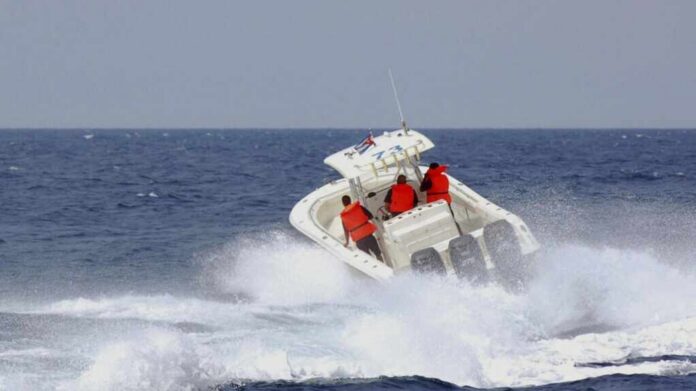
A Florida-registered speedboat carrying armed U.S.-based Cuban exiles ended in a deadly firefight inside Cuban waters—raising urgent questions about sovereignty, security, and how quickly a foreign crisis can pull Americans into the line of fire.
Story Snapshot
- Cuban border guards intercepted a Florida-registered speedboat near Cayo Falcones on Feb. 25, 2026, triggering an exchange of gunfire that left four dead and six wounded and detained.
- U.S. officials confirmed at least one U.S. citizen was killed and another American was injured and treated in Cuba.
- Cuba’s Interior Ministry called the incident a “terrorist infiltration” and said weapons and incendiary devices were recovered.
- Secretary of State Marco Rubio said the U.S. will verify facts independently and described the clash as highly unusual.
What Happened Off Cayo Falcones—and Why It Matters
Cuban authorities said border guards intercepted a speedboat about a nautical mile off Cayo Falcones, near the El Pino channel, after it entered Cuban territorial waters on February 25. Cuban officials reported the boat carried 10 armed Cuban nationals living in the United States. Cuba claimed the vessel opened fire first, prompting a shootout that killed four people, wounded six, and ended with surviving occupants detained and treated for injuries.
The White House confirmed at least one American citizen was among those killed, and U.S. officials also said another U.S. citizen was injured and receiving medical care in Cuba. Those basic facts make the story bigger than a local maritime incident. Once Americans are dead or detained overseas—especially in a hostile country—every detail matters: where the boat came from, who was on it, who fired first, and what evidence exists beyond official statements.
Cuba Says “Terrorist Infiltration,” While the U.S. Demands Verification
Cuba’s Interior Ministry framed the episode as an armed “terrorist infiltration,” saying it recovered weapons and explosives or incendiary items, including assault-style rifles, vests, and Molotov cocktails. Cuban leaders defended their response as border protection and pushed the narrative that the group intended sabotage. The Cuban government also corrected an early misidentification of one detainee, a reminder that early crisis reporting—even by governments—can shift as identities are verified.
Secretary of State Marco Rubio said the United States would not accept Cuba’s version of events on faith and would conduct its own investigation. Rubio also described a firefight of this kind as “highly unusual,” underscoring how rare it is to see a U.S.-registered boat involved in a lethal exchange with Cuban forces. For Americans who remember decades of Cold War tension, that point matters: unusual incidents can escalate fast when both sides use hardened rhetoric.
The People Involved: Exile Activism, Personal Motives, and Unanswered Questions
Reports identified Amijail Sánchez González, described as a leader of the anti-Cuba group Auto Defensa del Pueblo, as among those killed. Another man reported killed, Michel Ortega Casanova, was described by a family member as deeply focused on “freeing Cuba from communism.” An associate, Michel “Kiki” Naranjo Riverón, defended the men as freedom fighters frustrated with years of unfulfilled promises and argued that force—not sanctions—would move Havana.
Those details help explain why Cuba is using the label “terrorism” and why exile circles in South Florida may see something very different. Still, key claims remain unresolved based on early reporting, including the boat owner’s statement that the speedboat may have been stolen by an employee. If the theft claim is true, it could reshape culpability and intent; if false, it could harden Cuba’s allegations. At this stage, both governments are still investigating.
Why This Could Escalate Under a Tougher U.S. Cuba Policy
The incident landed amid already tense U.S.-Cuba relations, with the Trump administration reportedly pursuing intensified pressure on Havana, including tightened sanctions and an oil blockade strategy. That context matters because each side has incentives to shape the narrative. Cuba wants to portray a decisive defensive action against an armed intrusion; Washington wants verified facts—especially when U.S. citizens are casualties—and must consider the safety of any Americans detained or hospitalized on the island.
History also hangs over the story. The U.S. embargo and broader framework for U.S.-Cuba confrontation hardened after the 1996 Brothers to the Rescue shootdown, when Cuban forces downed civilian planes and four people died. A fatal maritime clash involving a Florida-registered vessel revives the same basic tension: Cuba insists on sovereignty and border enforcement; Americans demand accountability and transparency when U.S. persons are harmed. Limited public details mean the most responsible next step is waiting for verifiable findings, not slogans.
Sources:
U.S. Citizen Killed in Deadly Cuba Boat Shooting