
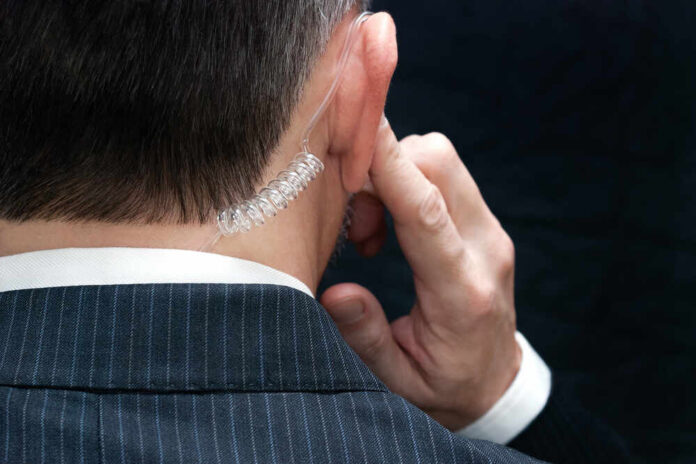
A gunman armed with multiple weapons breached Secret Service checkpoints at the White House Correspondents’ Dinner, exposing catastrophic security failures that left the President and hundreds of officials as sitting ducks in an overcrowded ballroom.
Story Snapshot
- Cole Allen, 31, allegedly opened fire at the White House Correspondents’ Dinner after bypassing security perimeters, striking a Secret Service officer before agents neutralized the threat
- Former D.C. detective Ted Williams condemned “lax” security protocols, revealing no ID checks or magnetometers at pre-event receptions despite President Trump’s attendance
- The unprecedented armed breach occurred despite Allen checking into the Washington Hilton one day prior, raising questions about threat assessment and perimeter control
- Bipartisan lawmakers and security experts are demanding comprehensive reviews, with concerns about how an armed suspect evaded multiple layers of protection
Armed Breach Exposes Glaring Security Gaps
Cole Allen checked into the Washington Hilton on April 24, 2026, one day before allegedly launching an armed assault at the White House Correspondents’ Dinner. The 31-year-old computer scientist from Torrance, California, rushed a Secret Service checkpoint on April 25 armed with multiple weapons and fired at least one shot, striking an agent’s ballistic vest. Secret Service agents returned fire with three to four rounds, neutralizing the threat. President Donald Trump, Cabinet members, lawmakers, and hundreds of journalists were evacuated amid chaos from the overcrowded ballroom. The incident marked the first shooting in the event’s 105-year history.
Former Detective Slams Inadequate Protections
Fox News contributor and former D.C. homicide detective Ted Williams delivered a scathing assessment of security protocols on Fox News Live. Williams identified critical failures including the absence of checkpoints, identification verification, and magnetometers at pre-event VIP receptions and ballroom entry points. Attendees relied solely on paper tickets to access areas where members of the presidential line of succession gathered. Williams characterized the situation as leaving dignitaries as “sitting ducks,” emphasizing that outer security perimeters proved inadequate against a determined threat. His analysis echoed concerns from Rep. Mike Lawler, who described “glaring issues” in protection measures for such a high-profile gathering.
Mixed Accounts Reveal Inconsistent Screening Standards
Attendee reports painted a troubling picture of security inconsistencies throughout the Washington Hilton venue. Misha Komadovsky, a DW journalist, noted the lack of hotel checkpoints allowing unrestricted movement. Harrison Fields, a former deputy press secretary, confirmed guests could roam freely without additional screening after initial ballroom entry. ABC reporter Beatrice Peterson described the situation as “typical-ish” for such events, though she acknowledged the expected investigations. The venue’s fluid pre-dinner gatherings featured minimal barriers, with no public hotel closure despite hosting the President and top government officials. These accounts contradicted the heightened security expectations for an event occurring amid rising threats against President Trump.
Secret Service Faces Internal and External Criticism
Former Secret Service agent Richard Staropoli faulted agency leadership for “misreading the assignment” regarding threats to President Trump, though he praised on-site agents for their swift response. Secret Service sources expressed disbelief that an armed suspect could pass detection systems, questioning how Allen bypassed magnetometers with multiple weapons. The Daily Beast reported internal frustration within the agency over the breach. Former Secret Service agent Bobby McDonald predicted major reviews and protocol improvements would follow the incident. While the immediate tactical response successfully evacuated Trump and neutralized the threat without civilian casualties, the fundamental security architecture faced bipartisan condemnation from lawmakers and former law enforcement officials.
Fox News Reporter Gave His Insight on the Security at the WHCA Dinner. It's Not Good https://t.co/6l2IK876C0
— Dan Baggs (@profdwb1) April 27, 2026
FBI investigators at Quantico are examining ballistics evidence and Allen’s credit card purchases to establish motive and planning. Allen initially cooperated with police but stopped speaking by Sunday morning, April 27. Former President Obama stated the motive remains unclear despite reports of a manifesto outlining alleged targets. The White House Correspondents’ Association thanked law enforcement responders and entered discussions about rescheduling within 30 days at President Trump’s urging. Security experts anticipate the incident will drive stricter protocols for media events nationwide, potentially including convention-level screening measures, mandatory identification verification, and venue reassessments. The shooting underscores broader concerns about government institutions failing to protect citizens and officials alike, reinforcing frustrations across the political spectrum about leadership prioritizing appearances over substantive security.
Sources:
Security scrutiny: WHCD attendees cite inconsistent screening after shooting – Fox News
Secret Service Fumes Over Shocking Security Breach – The Daily Beast
Obama says motive unclear despite manifesto outlining alleged targets in DC shooting – Fox News