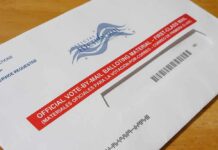

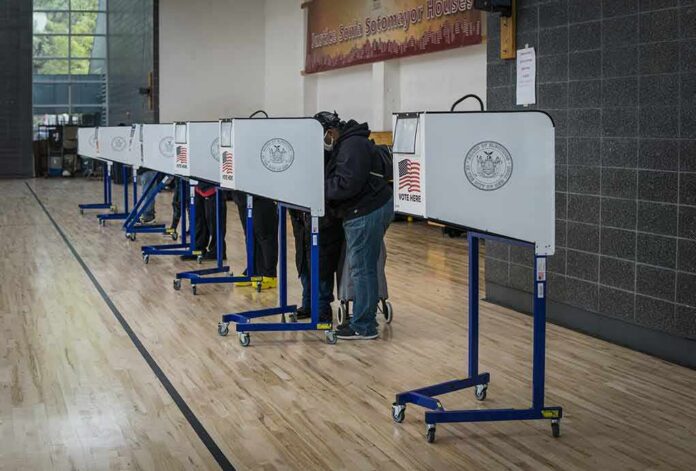
Days before voting, the Department of Justice warned election officials that willfully failing to preserve ballots and key voting records can be a crime punishable by up to one year in jail and a fine.
Story Highlights
- Federal law requires covered election records to be kept for 22 months after federal elections.
- The Department of Justice sent preservation notices to state election offices ahead of voting.
- Officials who willfully destroy or hide covered records can face criminal penalties.
- Some states paused plans to discard 2024 materials as litigation and data requests continue.
What The Justice Department Told The States
Department of Justice letters told state election officials to keep ballots, voter registration records, and other materials tied to acts required for voting. The letters said failure to preserve records as required by federal law could lead to prosecution. They warned that willful destruction, concealment, or alteration of covered records is unlawful and could bring up to a year in jail and a fine. The messages arrived close to the midterm vote and stressed that preservation rules apply after federal elections.
The Department of Justice notice followed a standard legal baseline. Federal law requires “every officer of election” to retain and preserve covered records for twenty-two months after any federal election. The statute applies to materials that relate to applications, registration, voting, and other acts needed to cast and count votes for federal offices. This floor sets a national rule across all states, which run elections using their own systems and storage rules.
What The Law Says And Why It Matters
Title 52 of the United States Code sets both duties and penalties. One section requires the twenty-two-month retention of covered election records. Another section makes the willful theft, destruction, concealment, mutilation, or alteration of those records a crime, with up to one year of imprisonment and a fine for violations. These rules matter because officials often plan routine disposal when retention periods end. The Department of Justice acted as deadlines neared to keep materials available for ongoing disputes.
Reporters described identical letters signed by an acting deputy attorney general that were sent to state election leaders. The letters highlighted the twenty-two-month rule and warned about criminal exposure for willful noncompliance. Some coverage said notices went to many states and the District of Columbia. Other reports suggested broader outreach. Exact distribution has varied by report, but the core message remained: preserve covered records tied to federal elections to avoid violations of federal law.
How States Are Responding On The Ground
State offices said they would follow federal retention law while they reviewed the scope of the request. Some indicated the Department of Justice sought preservation beyond the normal twenty-two-month window due to investigations or litigation. That can happen when courts or agencies issue litigation holds that require longer storage of specific records. Those holds are separate from the baseline statute and depend on real cases or active probes.
President Trump's DOJ is warning election officials in all 50 States to preserve voting records or face possible jail time – Cracking down on ILLEGAL voting is NOT a threat to elections – Documents relating to determining voter eligibility must be preserved by polling stations
— charles benjamin (@chaleeboh3131) November 1, 2026
Several states put planned destruction of 2024 election materials on hold after receiving the notice. Officials cited active legal requests and the need to avoid spoliation, which is the destruction of evidence that might be needed in a case. The pause aimed to protect records that could be relevant to lawsuits or data demands about how ballots were processed and counted in federal races.
Why This Touches A Nerve For Voters
Americans across the political spectrum worry that powerful insiders bend the rules and hide the truth. Clear record keeping helps test claims, confirm results, and check government power. The Department of Justice’s message focused on a simple rule: keep the records so people can verify what happened. That principle supports audits, court reviews, and public trust. When records vanish early, everyone loses the chance to resolve hard questions with facts instead of noise.
What To Watch Next
Watch for formal litigation holds that extend preservation for certain records, and for any court orders that define what must be kept and shared. Track whether states publish updated retention plans for paper ballots, poll books, chain-of-custody logs, and electronic files. Also look for any Department of Justice filings that cite these notices in active cases. Clear public guidance can reduce confusion and prevent costly fights over storage, access, and compliance.
Sources:
thegatewaypundit.com, apnews.com, yahoo.com, justice.gov, washingtonexaminer.com, ap.org