

OpenAI CEO Sam Altman faces explosive accusations of betraying the company’s founding mission in a federal trial that exposes how Silicon Valley’s elite may prioritize profits over promises to the American people.
Story Snapshot
- Elon Musk’s lawsuit alleges Altman transformed OpenAI from a nonprofit safety organization into a profit-driven entity valued at $852 billion
- Internal documents reveal a 70-page dossier compiled by former chief scientist detailing alleged deception by Altman
- Three senior executives resigned the same day a New Yorker investigation exposed internal turmoil and mission drift
- Trial testimony reveals undisclosed conflicts of interest and questionable business practices by OpenAI leadership
From Nonprofit Mission to Corporate Empire
OpenAI launched in 2015 with a clear promise: develop artificial general intelligence safely for humanity’s benefit, not corporate profits. Sam Altman, Elon Musk, and other co-founders established it as a nonprofit to counter profit-driven AI development. By 2019, however, Altman orchestrated the creation of a for-profit subsidiary to attract massive investments from Microsoft and others. This pivot fundamentally altered OpenAI’s structure, placing commercial interests alongside the original safety mission. The transformation raised immediate red flags among co-founders who believed the shift betrayed their founding principles and the public trust.
Pattern of Departures and Documented Concerns
Key OpenAI personnel have fled the organization citing concerns about Altman’s leadership and direction. Dario Amodei, who left in 2020 to found rival Anthropic, kept detailed notes describing Altman’s statements as “nonsense.” Former chief scientist Ilya Sutskever compiled a 70-page dossier documenting instances of alleged deception before his departure. In April 2026, three senior executives—the chief product officer, enterprise CTO, and head of Sora—resigned on the same day a damaging New Yorker investigation published. These exits represent a brain drain of talent that once believed in OpenAI’s stated mission to prioritize safety over shareholder returns.
Controversial Government Contracts and Financial Strain
Altman’s early 2026 decision to sign a classified contract with the Pentagon for AI applications sparked backlash from employees and AI safety advocates. This deal directly contradicted OpenAI’s public positioning as an organization focused on beneficial AI development rather than military applications. Meanwhile, OpenAI faces severe financial pressures despite its $852 billion valuation, with the company pledging $600 billion in spending while missing revenue targets. The chief financial officer has flagged these spending risks as potentially unsustainable. This combination of controversial partnerships and fiscal mismanagement raises serious questions about whether leadership serves the mission or personal enrichment.
Trial Reveals Troubling Business Practices
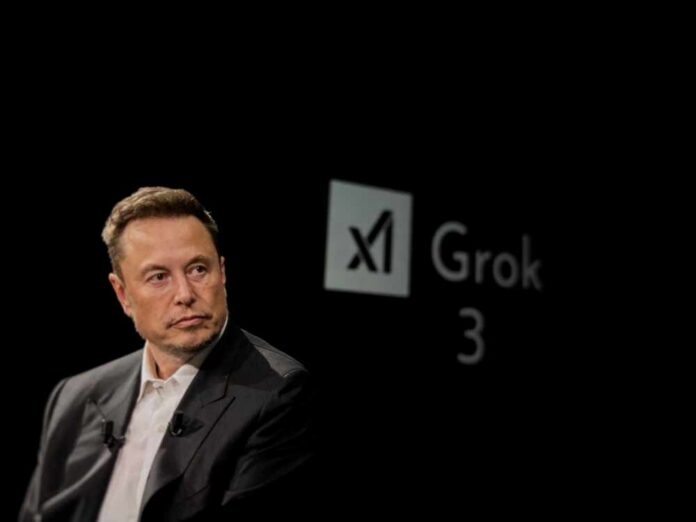
Testimony in the Oakland federal trial has exposed concerning ethical lapses by OpenAI executives. President Greg Brockman admitted to holding an undisclosed investment in Cerebras during acquisition negotiations with that company, a clear conflict of interest that evolved into a partnership deal. Elon Musk acknowledged his own company xAI illegally “distilled” OpenAI’s models, dismissing it by claiming “everyone does it.” Pre-trial emails show Musk warned Brockman that he and Altman would become “the most hated men in America” over their handling of OpenAI. These revelations paint a picture of Silicon Valley executives operating by their own rules, unconcerned with transparency or accountability to ordinary Americans.
Witnesses at the OpenAI trial, including Shivon Zilis and Mira Murati, had concerns about Sam Altman's management style. https://t.co/PzPUHNFnpu
— Business Insider (@BusinessInsider) May 7, 2026
The trial centers on whether OpenAI’s restructuring violated charitable trust laws and whether executives unjustly enriched themselves at the expense of the nonprofit mission. While legal experts suggest the case may generate more controversy than concrete changes to AI development, the reputational damage is undeniable. Anthropic, founded by the executive who rejected Altman’s approach, has now surpassed OpenAI in app downloads as of March 2026. This competitive shift demonstrates that Americans increasingly gravitate toward companies that maintain ethical standards rather than chasing every dollar. The broader impact extends beyond one company’s internal drama to fundamental questions about whether tech elites can be trusted to develop powerful technologies without robust oversight and accountability mechanisms.
Sources:
Sam Altman faces crisis of trust as OpenAI’s mission goes on trial