
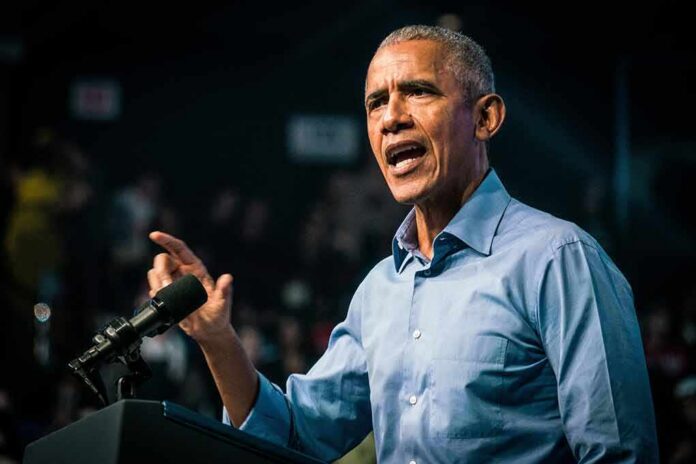
Barack Obama endorsed Democrat Charles Booker for Kentucky’s open United States Senate seat just two days before voters head to the polls.
Story Snapshot
- Obama said he is “proud to support” Booker in Kentucky’s Senate race.
- The late-breaking nod arrived on November 1, two days before Election Day.
- Booker welcomed the endorsement as “humbled and honored,” per local reports.
- The race fills the seat long held by Mitch McConnell; Republican Andy Barr is the opponent.
What Obama Said And When He Said It
On November 1, 2026, Barack Obama told reporters he is “proud to support Charles Booker for the U.S. Senate.” Coverage quoted Obama saying Booker “cares deeply about the people of Kentucky,” and that sending him to Washington would give working families a leader who understands their struggles and can drive change. The timing matters. The endorsement came two days before Election Day, placing it inside the campaign’s final sprint, when most voters are locking in choices.
Local outlets in Kentucky ran the same quote and timing, showing the message spread fast across the state’s media channels. That rapid pickup can help with late energy and small-dollar donations. But two days is tight for changing minds at scale. Endorsements this late usually serve as signals to base voters and donors more than tools to persuade undecided voters in large numbers.
How The Endorsement Lands In This Race
Charles Booker is the Democratic nominee. Republican Representative Andy Barr is the opponent in a contest to succeed long-serving Senator Mitch McConnell, who is departing the seat this cycle, according to the national and local reports that framed the matchup. Booker’s campaign said he was “humbled and honored” by Obama’s backing, a common move to show momentum and unity in the final weekend. Campaigns value such moments because they can rally volunteers and shape final media coverage.
The endorsement underscores long-running national divides that often drown out local issues. In a state like Kentucky, a national Democratic figure can energize Democrats while also sharpening partisan lines. That cut both ways. Supporters hear validation. Opponents hear a national brand they already reject. This is why late national endorsements may boost turnout on each side more than they flip voters who are on the fence.
What We Know And What We Do Not
The reports clearly establish the endorsement, its exact wording, and its timing near Election Day. They do not say whether Obama filmed a video, appeared at an event, or raised money beyond the statement. That means the public record supports the fact of the endorsement, but not broader operational support. In fast-moving final days, that difference matters because field work, ads, and calls often move more votes than a single quote.
Barack Obama Endorses Charles Booker in Kentucky Senate Race.
This endorsement will be really impactful for all the Kentuckians who were sitting around wondering, "Who would Obama support?" in a race between a White male Republican and a Black male Democrat.
— Andrew Cooperrider (@KYCooperrider) November 1, 2026
Political research shows endorsements can work as cues. They tell busy voters which candidate aligns with their values. But the effect changes by state, party, and timing. Studies of presidential endorsements suggest results range from modest gains to little measurable effect in general elections. The biggest value can be fundraising and media attention, not guaranteed vote shifts. The Obama-Booker moment fits that pattern: a clear signal, very late, with uncertain electoral impact.
Why This Matters Beyond One Race
Many voters on the left and right feel national figures hold more sway than local voices. They see elites drop in at the end, while daily problems like wages, health costs, and crime remain. Obama’s move will feel inspiring to some and staged to others. Either way, it spotlights a system where late endorsements try to shape outcomes after months of frustration. Voters keep asking both parties for real solutions, not just famous names in the campaign’s closing days.
Sources:
cbsnews.com, wlky.com, yahoo.com, wpsdlocal6.com