
A firefighter’s on-camera clash with a pro-Palestinian demonstrator near the 9/11 Memorial on the 25th anniversary showed how fast grief, patriotism, and protest can collide in public space.
Story Snapshot
- Video shows a firefighter denouncing a pro-Palestinian demonstrator near Ground Zero on 9/11’s 25th anniversary.
- The 9/11 Memorial’s posted rules prohibit “demonstrations of any kind” on Memorial and Museum grounds.
- Protest organizers framed their presence as political speech about freedom and unity, not an attack on mourners.
- Courts often protect protest on public sidewalks, while memorial sites impose stricter, content-neutral limits.
What Happened Near the Memorial
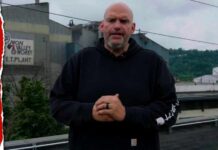
Video posted on the anniversary shows a firefighter confronting a pro-Palestinian demonstrator near the Ground Zero area. He called the demonstrator “anti-American” and said, “We don’t want you here,” as nearby onlookers recorded the scene. The clip spread quickly online and fueled sharp debate. Fox News reported the city fire department said the person shown was not an active member. The exchange took place as families, officials, and visitors marked the solemn 25-year remembrance.
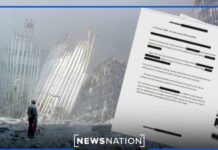
The National September 11 Memorial and Museum posts rules meant to protect a quiet setting. The guidelines ban “demonstrations of any kind” on Memorial and Museum property. That policy reflects the site’s purpose: to honor the nearly 3,000 people killed and give families space to mourn. The rules do not control every nearby street. But they set a clear line for conduct on the campus itself, where staff and security try to keep the tone respectful and calm for visitors.
How Protesters Explained Their Presence
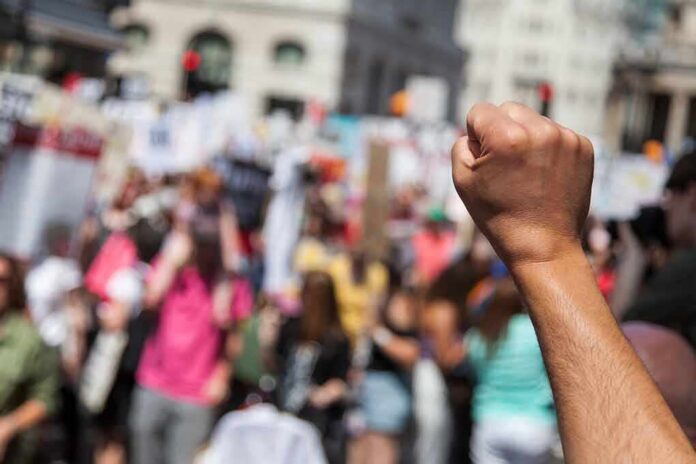
Separate footage and reports show demonstrators said they came to speak about freedom and American values, not to disrupt a memorial service. Marchers in Lower Manhattan tied their message to civic identity, chanting patriotic lines and saying they “stand for freedom”. Some speakers argued the Memorial should remain a sacred place for families to grieve in peace, even as they rallied blocks away about city leadership and policy choices tied to the Middle East and public safety.
These competing claims point to a recurring tension. People want room to speak about war, security, and rights. Families want a quiet day to remember loved ones. City police often manage this by steering demonstrations to sidewalks and plazas that are open to speech while keeping the Memorial plaza itself controlled. That balance is not perfect. But it is the pattern used by many cities to avoid direct clashes at sites of mourning while still allowing public dissent.
The Law: Speech Rights vs. Memorial Limits
Courts have long protected peaceful protest on public sidewalks, even when the message offends. Cases over funeral picketing show that government can set time, place, and manner rules that are content-neutral and narrow, while still allowing expression nearby. Memorial operators, including national parks and private stewards, often use permits and posted rules to keep ceremonies solemn and safe, especially on anniversaries with large crowds.
There’s a time and place for political protest. Turning the 9/11 Memorial into a stage for confrontation on the anniversary of nearly 3,000 deaths isn’t “activism”—it’s a profound lack of respect for the people being remembered.
— Lerato (@gnogfd) September 12, 2026
That legal split helps explain the New York scene. The Memorial’s ban on demonstrations on its property is clear. Yet sidewalks outside may remain open to speech, subject to permit rules and police direction. When emotions run high, short clips can blur those lines and fuel anger at “the other side.” That dynamic feeds a broader worry shared by many Americans: leaders manage optics, while the public navigates grief, protest, and order without clear guidance or trust.
Sources:
nypost.com, vinnews.com, foxnews.com, x.com, abc7ny.com, knzr.com