House Republicans are demanding answers after discovering the National Institutes of Health has recovered only a handful of taxpayer dollars from over 200 fraud cases and 1,000 misconduct allegations involving more than $100 million in misused grant funds.
Story Snapshot
- NIH received over 200 fraud allegations and 1,000 misconduct claims between 2013-2022, yet has recovered funds in only a handful of cases
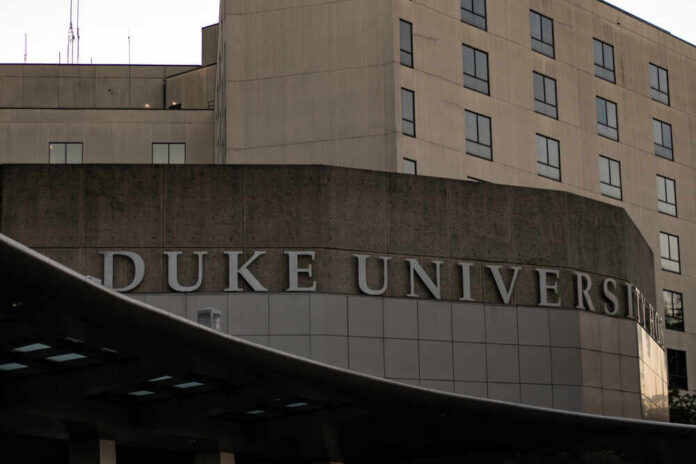
- Duke University repaid $112.5 million in 2019 for falsified reports, while Harvard and Scripps returned $1.3 million and $10 million respectively for overcharging
- More than $362 million was wasted on 137 unpublished pediatric clinical trials between 2017-2019, with 39% of NIH-funded trials never reporting results
- House Energy and Commerce Republicans sent official letters demanding NIH Director Monica Bertagnolli detail recovery efforts for misused taxpayer funds
Decades of Mismanagement Come to Light
The National Institutes of Health manages approximately $47 billion annually, with $35 billion flowing to universities and institutions through extramural grants. Between 2013 and 2022, the agency faced more than 200 fraud allegations involving embezzlement and theft, plus over 1,000 additional misconduct claims totaling at least $100 million in taxpayer funds. Despite this staggering scale of abuse, NIH has publicly recovered money in only a handful of cases, raising serious questions about the agency’s commitment to protecting taxpayer dollars and holding recipients accountable for fraudulent activity.
Major Institutions Return Millions After Violations
Duke University returned $112.5 million to taxpayers in 2019 after falsifying research reports submitted to the NIH, marking one of the largest fraud recoveries in the agency’s history. Harvard University repaid $1.3 million and Scripps Research Institute returned $10 million for systematically overcharging the government on grant-funded projects. While these high-profile cases demonstrate that recovery is possible when pursued aggressively, they represent only a fraction of the documented misconduct. The rarity of such recoveries suggests most institutions face little consequence for misusing federal research dollars, creating a system where accountability remains the exception rather than the rule.
The NIH Has a Chance to End a 35-Year Taxpayer-Funded Failurehttps://t.co/5bHGWHy6Sc
— PJ Media (@PJMedia_com) May 6, 2026
Unpublished Trials Waste Hundreds of Millions
Taxpayer watchdog organization Transparimed uncovered that NIH wasted more than $362 million funding 137 pediatric clinical trials between 2017 and 2019 that never published results, leaving patients and physicians without critical medical knowledge. Current data shows 39% of all NIH-funded clinical trials fail to report outcomes, effectively flushing over $100 million per year down the drain while families wait for treatments that may have already been tested. This pattern of waste extends beyond pediatrics, affecting thousands of trials annually and undermining the entire premise of publicly funded medical research: advancing knowledge to improve patient care and save lives.
Weak Oversight Enables Foreign Influence
A 2022 Health and Human Services Office of Inspector General audit revealed that most NIH-funded institutions failed to properly report foreign financial support received by researchers, despite mandatory disclosure requirements designed to prevent intellectual property theft and protect national security. The extramural grant system, which distributes 82% of NIH’s budget, relies almost entirely on recipient self-reporting with minimal verification or enforcement mechanisms. This hands-off approach creates opportunities for fraud, waste, and foreign influence that undermine both taxpayer interests and American competitiveness in biomedical research, yet the agency continues operating under policies that prioritize trust over accountability.
Congressional Pressure Demands Reform
House Energy and Commerce Committee Republicans, including Representatives Cathy McMorris Rodgers, Brett Guthrie, and Morgan Griffith, sent formal letters to NIH Director Monica Bertagnolli in 2023 and 2024 demanding detailed information about fund recovery efforts and accountability measures. The lawmakers emphasized that recovering misused taxpayer dollars is essential, not optional, particularly given the agency’s track record of allowing billions in grants to flow to institutions with documented compliance failures. Early 2025 saw approximately 2,100 grants terminated before many were restored following a lawsuit by the American Public Health Association, highlighting the political tensions surrounding NIH reform and the entrenched interests protecting the status quo from meaningful oversight.
Sources:
E&C Republicans to NIH: Is Agency Recovering All Misused Taxpayer Dollars?
NIH Funding and Research Impact Analysis
Distinguishing Real from Invented Issues in NIH Reform
NIH Research Waste: Unpublished Trials Cost Taxpayers Millions