
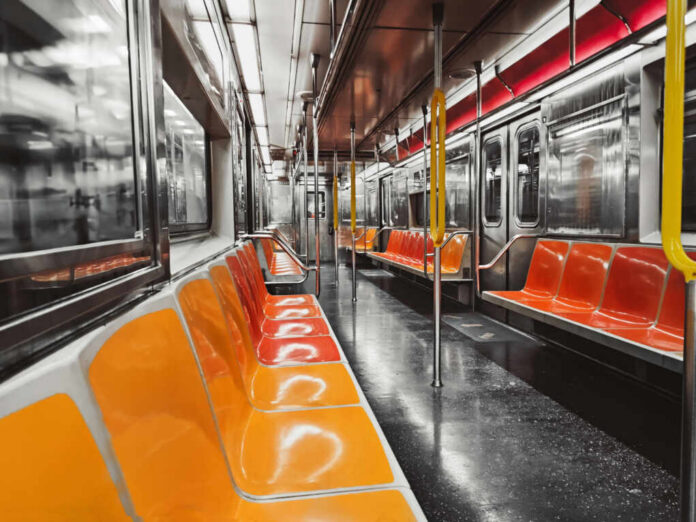
Gas prices topping $6.20 a gallon in Southern California are forcing commuters off freeways and onto trains, exposing government mismanagement that now threatens service cuts despite surging ridership.
Story Snapshot
- LA Metro ridership jumped 8.6% in March 2026 to 6.3 million riders as gas prices soared past $6.20/gallon due to Iran war oil disruptions.
- Metrolink saw a 4% ridership increase, with officials noting driving became “cost prohibitive” almost immediately.
- Bay Area BART ridership rose 20% to 5.4 million, while bus systems showed modest gains or stability.
- Transit agencies face looming service cuts for summer 2026 amid chronic $2B+ deficits, risking reversal of commuter shifts.
Ridership Surges Amid Skyrocketing Fuel Costs
Los Angeles Metro recorded 6.3 million riders in March 2026, up 8.6% from March 2024 and surpassing 5.8 million in March 2025. Metrolink officials reported a 4% ridership jump as gas prices exceeded $6.20 per gallon in the LA area. Metrolink Director Meredith Yeoman stated driving turned “cost prohibitive” right after fuel costs surged. Commuters abandoned jammed freeways for rail, driven by average SoCal commutes of 20-50 miles that amplified expenses. This shift echoes historical patterns from 2008 and 2022 oil spikes.
Geopolitical Tensions Fuel the Crisis
The Iran war disrupted Middle East oil supplies, causing a 30% year-to-date gas price rise by early 2026. LA averages climbed from $4.67 in February to $5.93 in March, hitting $6.20 by April. San Francisco saw similar jumps from $4.83 to $5.99. Bay Area Rapid Transit (BART) ridership reached 5.4 million in March, up from 4.5 million in 2025 and 4.1 million in 2024—a 20% gain. These spikes align with expert views that high fuel costs prompt immediate public transit use in car-dependent regions like SoCal.
Subway ridership surges as gas prices cripple SoCal but service cuts are coming https://t.co/7mlRSRhfEd pic.twitter.com/OWFP0XszP0
— New York Post (@nypost) May 11, 2026
Expert Views on Lasting Change
Ethan N. Elkind from UC Berkeley’s Center for Law, Energy and the Environment predicts high prices first cut discretionary trips before shifting routines to transit, especially for lower-income families. UCLA’s Michael Manville cautions people remain “locked into their cars,” often trimming other budgets instead of changing habits. LA Metro officials note the 8.6% weekday increase signals more regular work travel, not just occasional rides. However, ridership remains below pre-COVID peaks, like LA Metro’s 10 million-plus in 2019.
San Francisco’s Muni bus ridership grew from 13 million to nearly 15 million passengers from March 2024 to 2026. LA Metro buses averaged 20 million riders in the same period. Experts assess if wallet pain from sustained $6+ gas will forge permanent modal shifts or prove temporary, as seen in past surges.
Service Cuts Threaten Gains
Despite revenue bumps from higher ridership—potentially 5-10% more fares—transit agencies grapple with $2 billion-plus deficits. LA Metro faces summer 2026 bus reductions per budget previews. These cuts risk stranding new riders, including low-income communities reliant on service. Commuters save $100-200 monthly by switching, totaling over $1 billion annually across SoCal per AAA estimates. State funding under Governor Newsom prioritizes green goals over operational stability, frustrating users on both sides of the political aisle who demand reliable basics over elite-driven agendas.
Subway ridership surges as gas prices cripple SoCal but service cuts are coming https://t.co/ML3NGj3IbU pic.twitter.com/gejDgqK0zu
— California Post (@californiapost) May 11, 2026
Chronic underfunding persists post-COVID, with pre-surge ridership at 50-60% of 2020 levels due to remote work. Agencies lobby for aid, but deficits force cuts even as demand rises. This irony underscores broader failures: federal and state governments prioritize reelection and globalist policies over affordable energy and infrastructure, leaving everyday Americans—conservatives decrying renewable mandates, liberals bemoaning service gaps—to bear the burden of elite mismanagement.
Sources:
California’s rail systems need more riders. High gas prices could be fueling new surge – LA Times